Home-Style Dishes
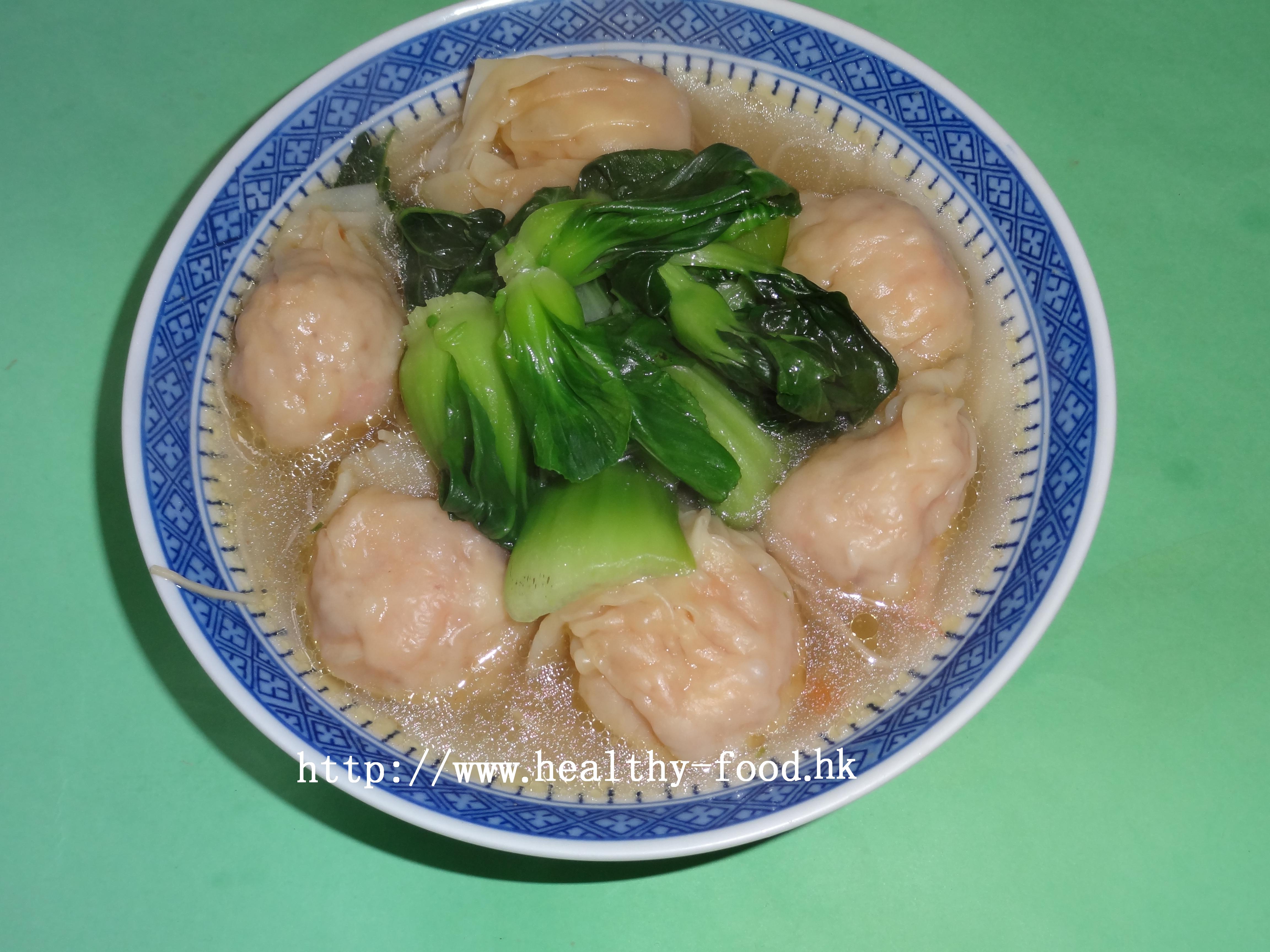
Cantonese Shrimp Wonton and Shanghai Watercress Wonton
a nourishing homemade comfort food; pork and shrimp provide protein and warmth
In short: Cantonese Shrimp Wonton and Shanghai Watercress Wonton is a home-style dishe that a nourishing homemade comfort food; pork and shrimp provide protein and warmth. It is most often made for everyday balance. Total time about 50 min. Key ingredients: egg white, watercress.
Why people make these wontons
There is something especially satisfying about gathering the family around the table and wrapping wontons together — everyone pitches in, the conversation flows, and the meal that follows feels all the more rewarding. Nourilo shares two styles here: the Cantonese cloud wonton (yun tun), with its plump whole shrimp filling, and the Shanghai-style wonton with a watercress and pork filling that is rustic, fragrant, and deeply comforting. Both are much lighter and less greasy than what you find at most restaurants, where the cost of ingredients is often cut.
Method
Cantonese shrimp wonton:
- Shell and devein the shrimp; rinse under cold running water for about 5 minutes. Pat completely dry.
- Cut each shrimp into 1–2 pieces. Marinate with egg white, a pinch of white pepper, and a little potato starch.
- Season the minced pork separately with light soy sauce and a little egg white. Mix the shrimp and pork together and refrigerate for at least 30 minutes.
- Place a small mound of filling in the centre of each wrapper and fold/crimp to seal.
- Drop wontons into a large pot of boiling water. Stir gently with a ladle to prevent sticking. When they float, they are done — serve immediately in hot broth with noodles and blanched greens.
Shanghai wonton:
- Blanch the watercress briefly, then rinse under cold water and squeeze out all liquid very thoroughly. Chop finely, then squeeze again.
- Hand-chop or further mince the pork for a better texture. Combine pork, watercress, salt, egg white, soy sauce, white pepper, and potato starch. Stir in one direction until the mixture becomes sticky.
- Wrap using Shanghai-style wrappers and seal securely.
- Cook in a large pot of boiling water for about 4–5 minutes until they float. Once floating, add 300 ml of cold water, cover, and bring back to the boil — then they are done. This extra step ensures the filling is fully cooked without the meat becoming tough.
- Remove with a slotted spoon. Scatter with coriander, spring onion, and thin strips of egg crepe. Ladle over piping hot broth and serve.
Nourilo’s Tips
When you drop the wontons in, give them a gentle stir right away with a spatula to prevent them from sticking to the bottom of the pot. For the broth, Nourilo uses chicken carcass and pork bone simmered together, with a teaspoon of dried flounder powder added at the end — this gives the soup an irresistibly savoury depth. The Shanghai wonton tip of adding cold water after they float, then letting it return to the boil, guarantees the filling is properly cooked and keeps the meat tender.
Safety first — read before you cook
This is a traditional food, not a treatment. Please check with your doctor or pharmacist before making it a regular part of your diet if you:
- are pregnant or breastfeeding, or are cooking for a young child;
- take regular medicines — especially blood thinners, blood-pressure, diabetes or immune-suppressing drugs;
- have a kidney, liver or heart condition, or a known food allergy.
Stop eating it and seek advice if you notice an allergic reaction or feel unwell. Safety notes reviewed 8 October 2026 · How we write safety notes





Comments
Join the conversation — sign in or create a free account to comment.
Continue with GoogleBy continuing with Google or email you confirm you are 16 or older and agree to our Terms of Use and Privacy Policy.
Loading comments…