Soups
Garlic, Amaranth and Lean Pork Soup (Suan Tou Xian Cai Shou Rou Tang)
traditionally associated with antibacterial action and soothing gastroenteritis, dysentery, and digestive infections
Why people make this soup
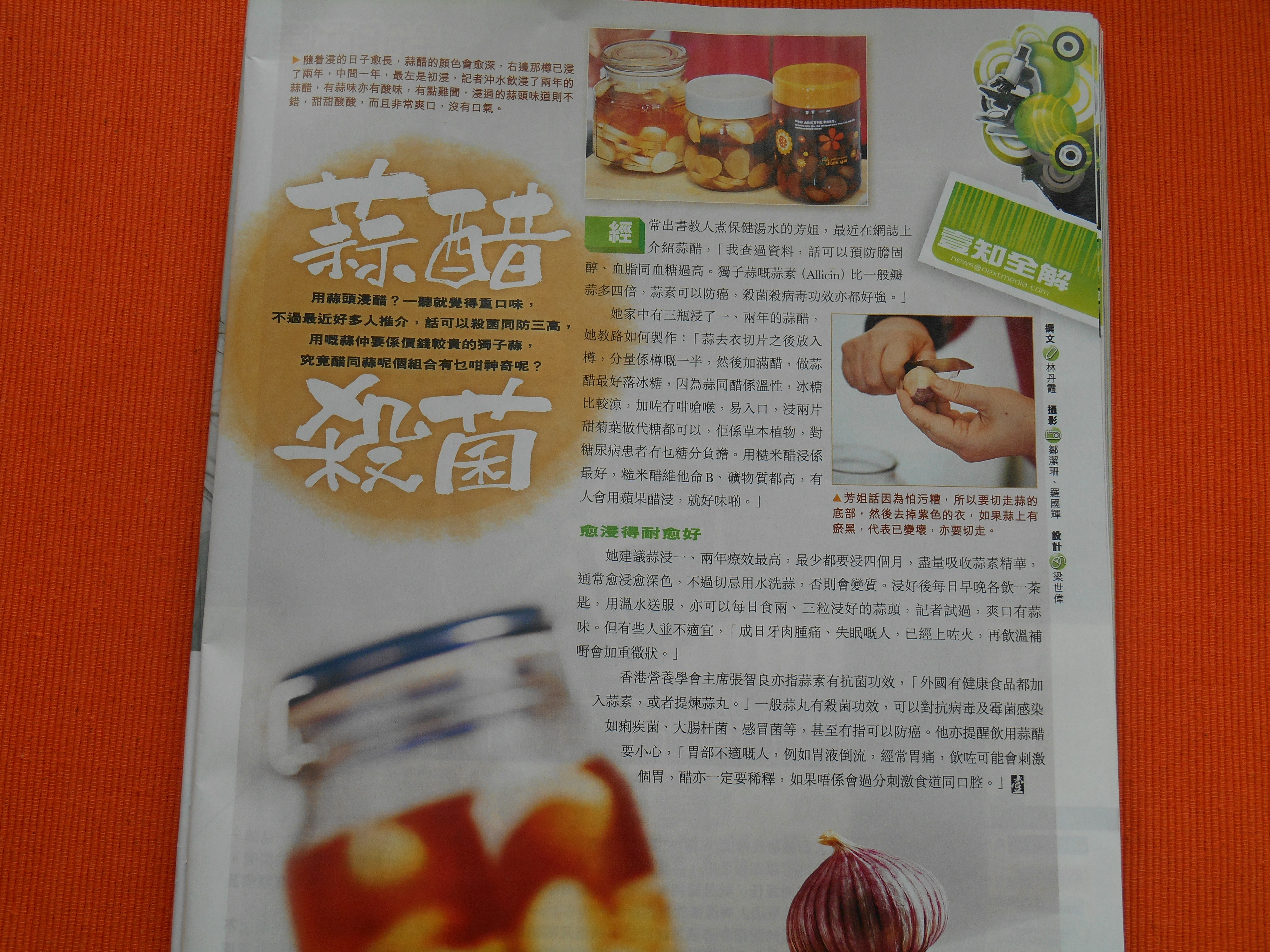
During flu season and gastroenteritis outbreaks, this is the soup Bro Niu reaches for. Garlic has one of the strongest natural antibacterial reputations in Chinese food therapy — and modern science backs this up: its active compound allicin has demonstrated activity against dysentery bacteria, Staphylococcus aureus, influenza viruses, and fungi. Paired with amaranth greens and lean pork, the result is a simple, well-rounded soup that addresses both the infection and the need for easily digestible nourishment. Bro Niu notes that while garlic vinegar can be hard for some people to stomach as a drink, this soup delivers garlic’s benefits in a form that is much more palatable. Single-bulb garlic (du zi suan) has a higher concentration of allicin and is preferred when available.
Who it suits / who should be cautious
- Suitable for most people during episodes of gastroenteritis, diarrhoea, or stomach flu; the whole family can drink it, including infants (reduce amounts proportionally).
- Also useful as a preventive measure during flu outbreaks; the whole household can share a larger batch.
- Those with inflammatory bowel conditions in a flare, or who are known to be sensitive to allium vegetables, should use with caution.
- For those who cannot find amaranth (野苋菜), other leafy greens can be used; however, a commenter once asked about substituting watercress and Bro Niu clarified that watercress does not carry the same antibacterial properties for this purpose.
Why these ingredients (the food-therapy logic)
- Garlic (suan tou): Broad-spectrum natural antibacterial; in Chinese food therapy, strongly associated with clearing heat and toxins, killing parasites, and protecting the digestive tract. Single-bulb garlic has a more concentrated allicin content.
- Wild amaranth (ye xian cai): In traditional Chinese food therapy, amaranth is associated with clearing heat and dampness, supporting intestinal health, and detoxifying; it is particularly valued for dysentery and diarrhoea.
- Lean pork (shou rou): Provides easily assimilated protein and nourishment while the digestive system is stressed; considered neutral in temperature and easy on the stomach.
Ingredients (3–4 bowls / 2–3 servings)
| Ingredient | Amount | Notes |
|---|---|---|
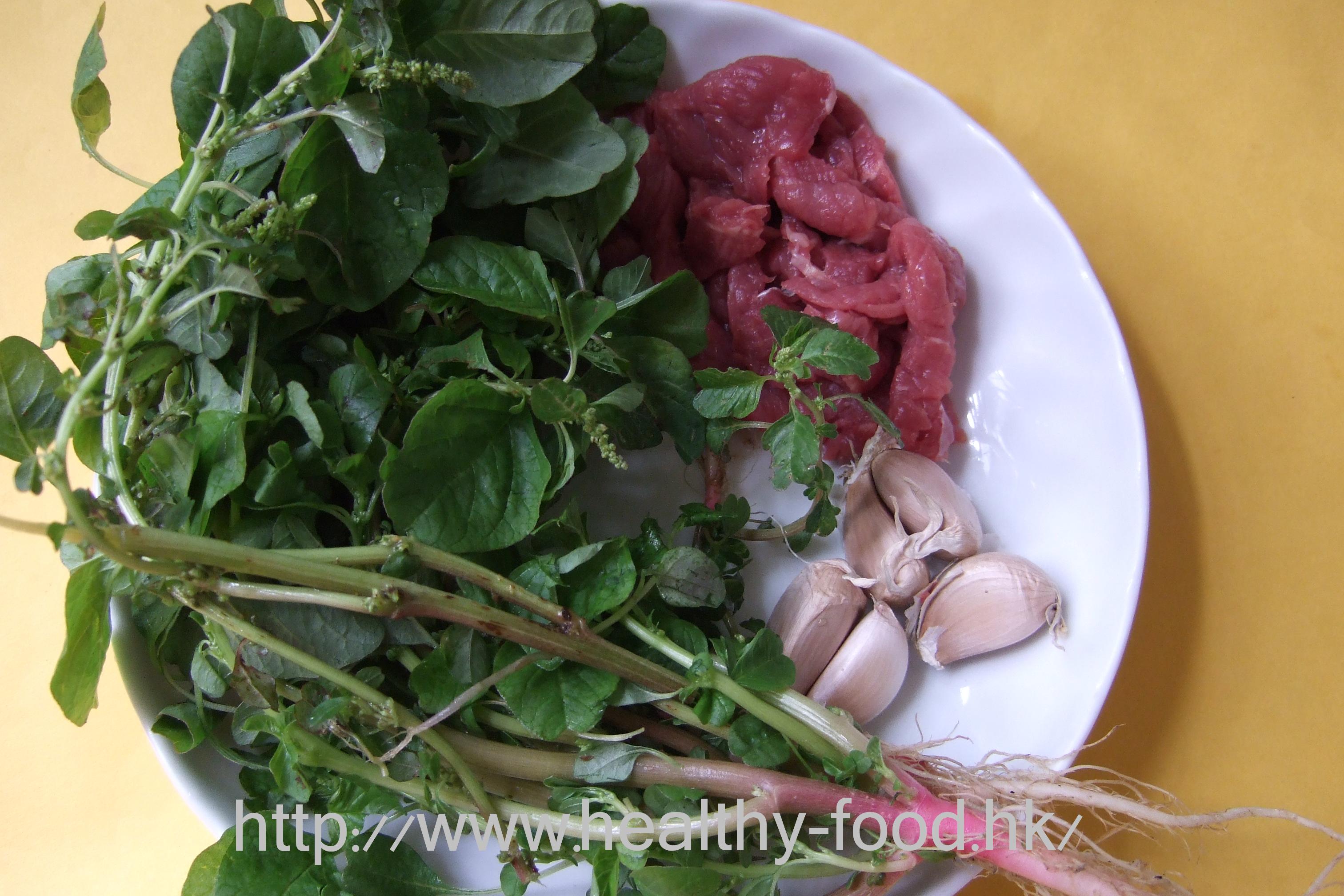
| Garlic cloves | 8 to 10 cloves | Or 4 single-bulb garlic cloves; peeled and lightly crushed |
| Wild amaranth (with roots) | 300 g (half catty) | Washed and cut into sections |
| Lean pork, sliced | 225 g (6 taels) | |
| Water | 6 bowls | |
| Seasoning | To taste |
Method
- Peel the garlic cloves and lightly crush each one.
- Slice the pork thinly.
- Wash the amaranth thoroughly including the roots; cut into sections.
- Place the garlic and pork in a pot with 6 bowls of water. Bring to a rolling boil.
- Add the amaranth and simmer for about 20 minutes until everything is cooked through.
- Season to taste. Serve the soup together with the cooked greens, pork, and — crucially — eat some of the garlic cloves for the full benefit.
Bro Niu’s tips
Eating the garlic cloves from the soup (2–3 pieces at least) significantly boosts the beneficial effect — don’t leave them in the bowl. For very young children or infants, the soup liquid alone is beneficial; you do not need to give them the garlic to chew. For children who cannot find amaranth in their location, Bro Niu suggests a congee made with toasted flat beans (chao bian dou), euryale seeds (qian shi), and garlic as an alternative approach for digestive upset.
If you grow your own amaranth and it has become old and tough, it is still suitable for this soup — even the older, thicker stalks can be simmered for a full soup.
Community questions answered (selected)
-
Q (reader): Can I substitute watercress for the amaranth? Bro Niu: Watercress is not the right substitute for this particular recipe — its properties are different and it does not carry the same benefit for gastroenteritis. If amaranth is unavailable, other options include cooking a congee with toasted flat beans, euryale seeds, and a little garlic.
-
Q (reader): Can a 6-month-old baby drink this soup? Bro Niu: Yes, babies can benefit from the soup liquid — they do not need to eat the solid garlic pieces. Adjust amounts proportionally for their small size.
-
Q (Bingbb): My 7-year-old has been hospitalised with gastroenteritis — can he drink this soup? Bro Niu: Yes, this soup is beneficial for intestinal infections. Have him drink 2 bowls a day and continue for 3 days.
Published January 21, 2015 · Adapted and translated for Nourilo from a traditional home-kitchen recipe. Approx. 3 min read.