Home-Style Dishes
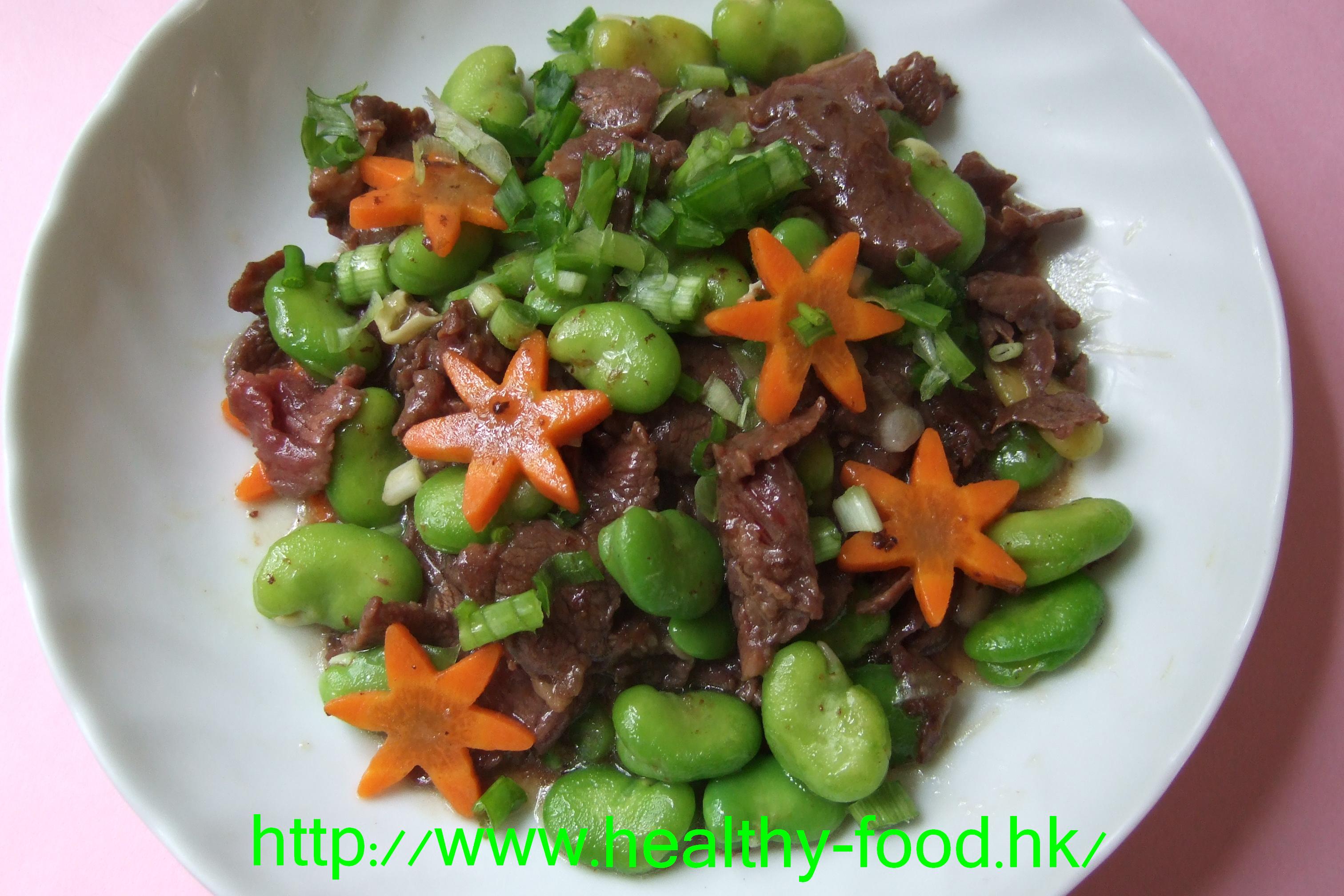
Stir-Fried Fava Beans with Beef
Traditionally associated with supporting memory and brain health in older adults
In short: Stir-Fried Fava Beans with Beef is a home-style dishe that Traditionally associated with supporting memory and brain health in older adults. It is most often made for bone & joint wellness. Total time about 30 min. Key ingredients: beef tenderloin, carrot, garlic.
Why people make this dish
Beans carry B vitamins — including B6, B9 and B12 — that are traditionally associated with supporting the brain and slowing the natural fade of memory, and fava beans are especially rich in them. When fresh fava beans come into season, it is well worth picking some up: paired with beef in a quick stir-fry, this is a warming, savoury dish the whole family can enjoy.
Method
- Shell and skin the fava beans. Slice the beef and marinate briefly with a little seasoning. Cut the carrot into slices.
- Heat oil and stir-fry the beef until about 70% cooked, then lift it out.
- With a little oil left in the wok, fry the garlic until fragrant, add the carrot, then the fava beans, and stir-fry until aromatic.
- Return the beef, splash in the wine, season, scatter in the spring onion, toss a few times and plate up.
Nourilo’s Tips
For soups, keep the bean skins on — the benefit is greater. For stir-frying, peel the skins off for a better texture. Remember: this dish is not for anyone with favism.
What studies say about the key ingredients
Traditional use is not the same as clinical proof. Here is the strongest human research we found for each ingredient, limitations included.
- Garlic
Gamma-delta T and NK cells proliferated better and were more activated than with placebo. The number of illnesses did not differ significantly, but cold and flu severity and missed days were lower.Limitation: Cold and flu outcomes were self-reported in daily diaries, and the dose was a concentrated extract that is not comparable to dietary garlic.PubMed 26764332 · 2 more garlic studies
From the Nourilo Research Library. Findings come from specific doses, extracts and populations and may not apply to a home-cooked recipe.
Safety first — read before you cook
This is a traditional food, not a treatment. Please check with your doctor or pharmacist before making it a regular part of your diet if you:
- are pregnant or breastfeeding, or are cooking for a young child;
- take regular medicines — especially blood thinners, blood-pressure, diabetes or immune-suppressing drugs;
- have a kidney, liver or heart condition, or a known food allergy.
Stop eating it and seek advice if you notice an allergic reaction or feel unwell. Safety notes reviewed 8 October 2026 · How we write safety notes
Comments
Join the conversation — sign in or create a free account to comment.
Continue with GoogleBy continuing with Google or email you confirm you are 16 or older and agree to our Terms of Use and Privacy Policy.
Loading comments…