Soups
Cabbage, Job's Tears & Mung Bean Soup (with herbal wash for external use)
traditionally used to clear heat-dampness and relieve itching in eczema, hives, and skin rashes
In short: Cabbage, Job's Tears & Mung Bean Soup (with herbal wash for external use) is a soup that traditionally used to clear heat-dampness and relieve itching in eczema, hives, and skin rashes. It is most often made for cooling & summer heat, skin & natural beauty. Total time about 75 min. Key ingredients: job's tears / coix seed, mung beans, figs.
Why people make this
Eczema can be stubborn, miserable, and — especially in children — heartbreaking to watch. In Cantonese food therapy the underlying pattern in many cases is described as “damp heat” — an excess of heat and moisture in the body that pushes upward and outward to express as inflamed, itchy skin. The approach is therefore two-pronged: cool and drain from the inside with a simple everyday soup, and relieve the itch directly from the outside with a herbal wash.
The soup is straightforward enough to cook every other day and mild enough to share with the whole family. The external wash requires three herbs from a Chinese pharmacy, but the preparation is simple — just a brief simmer and strain. Nourilo notes that starting at the very first sign of itching gives the fastest results.
Internal soup:
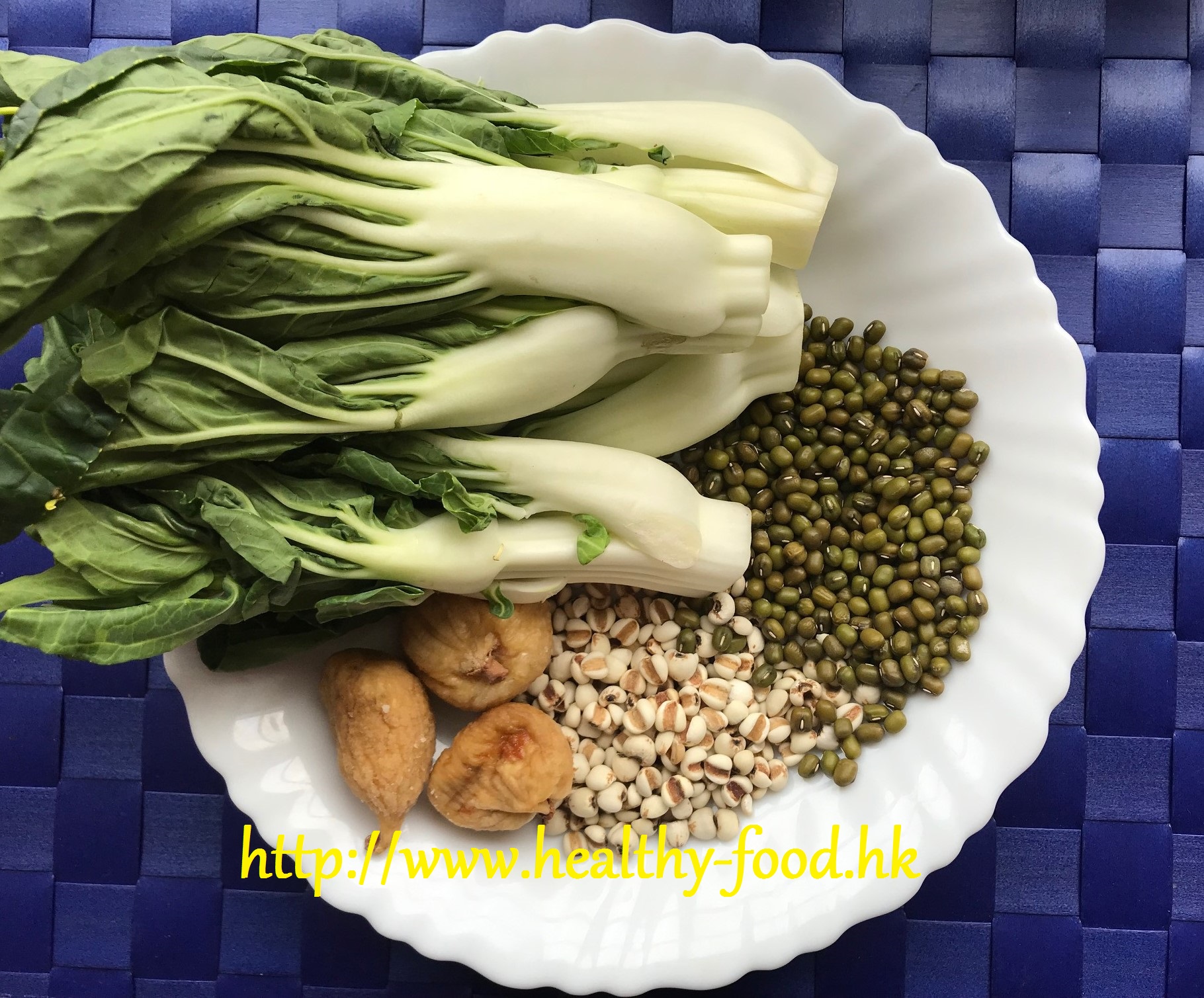
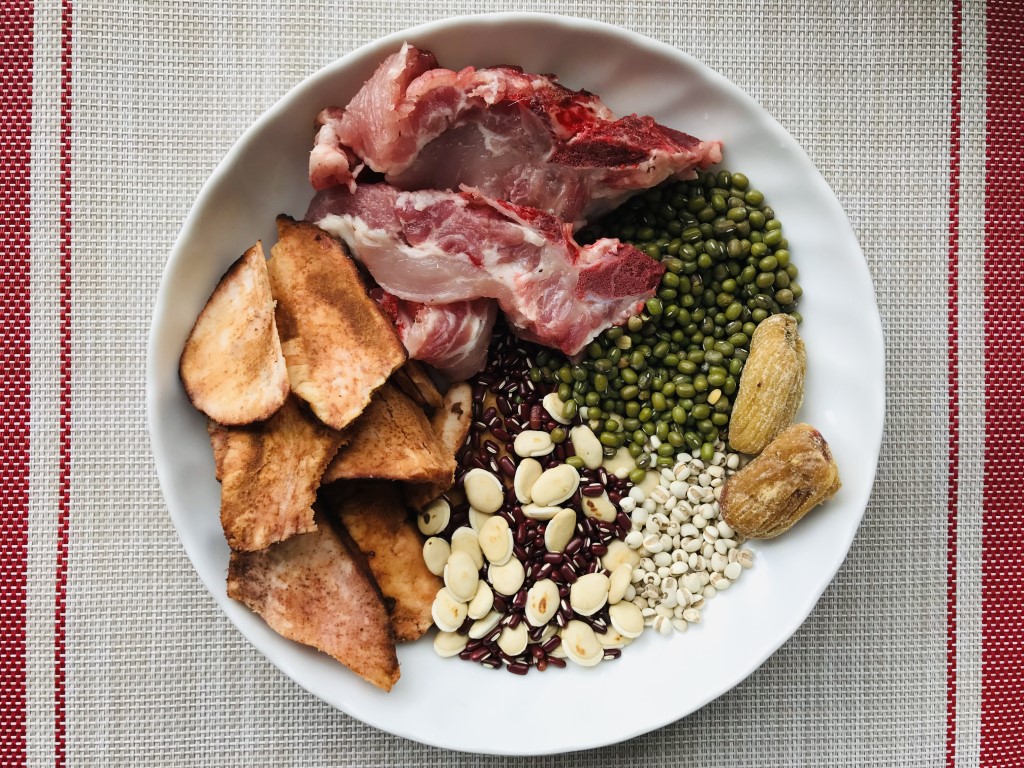
- Chinese cabbage (bai cai): Clears heat, promotes fluid metabolism, and is anti-inflammatory; the gentlest green vegetable in this formula
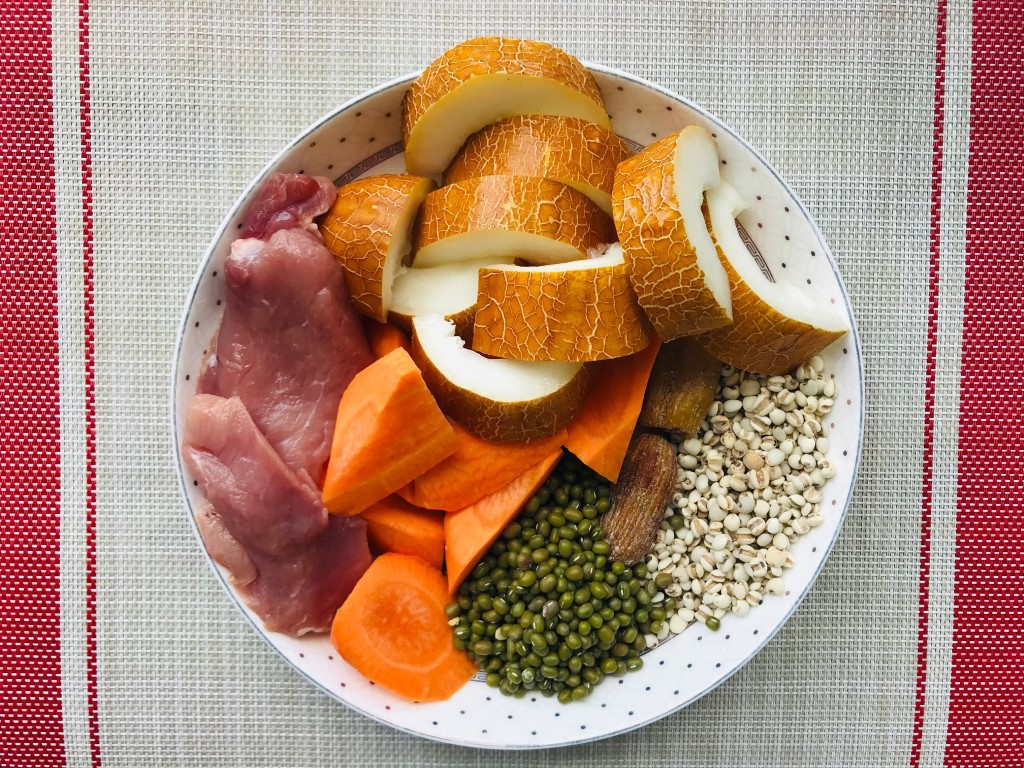
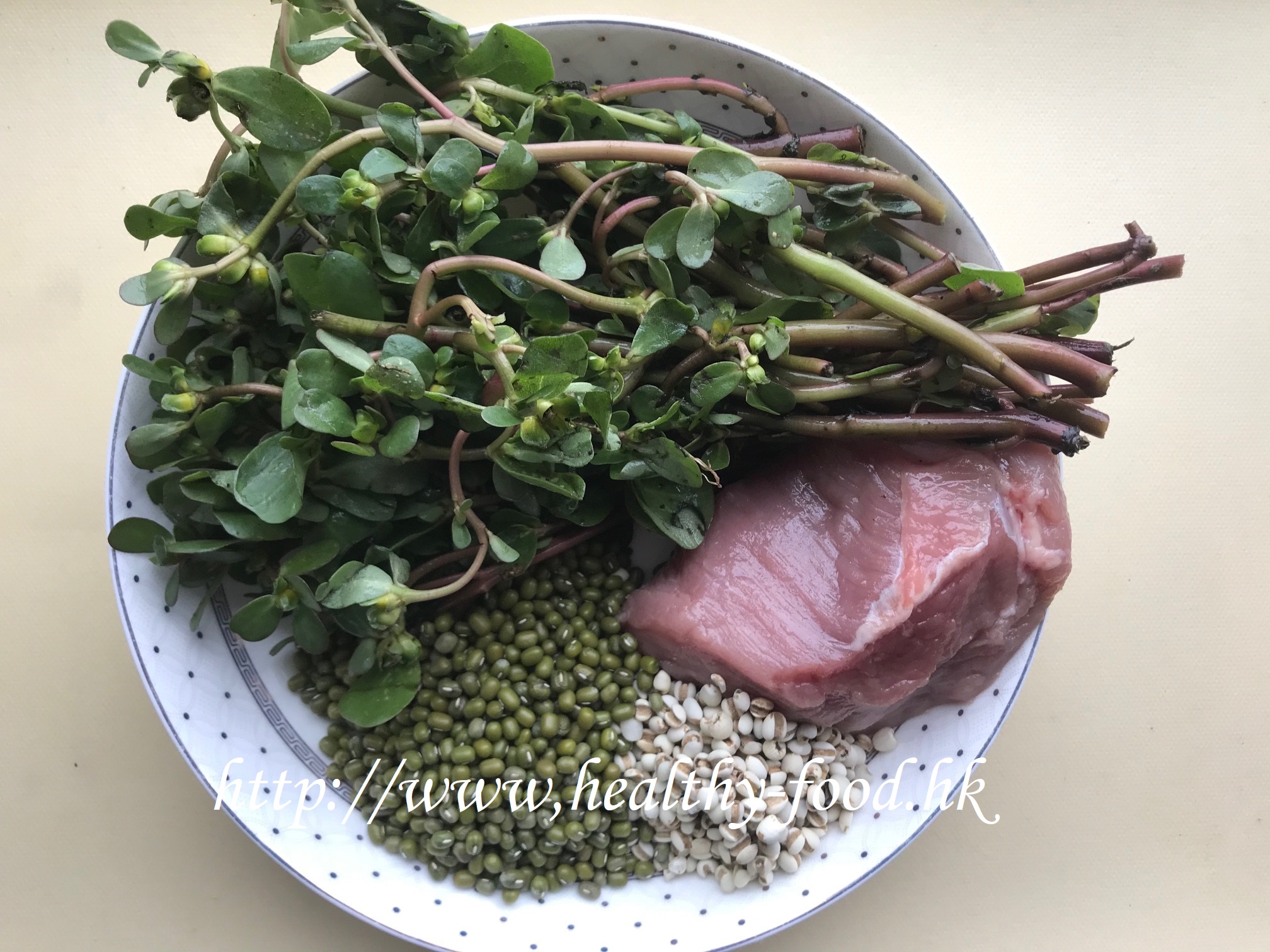
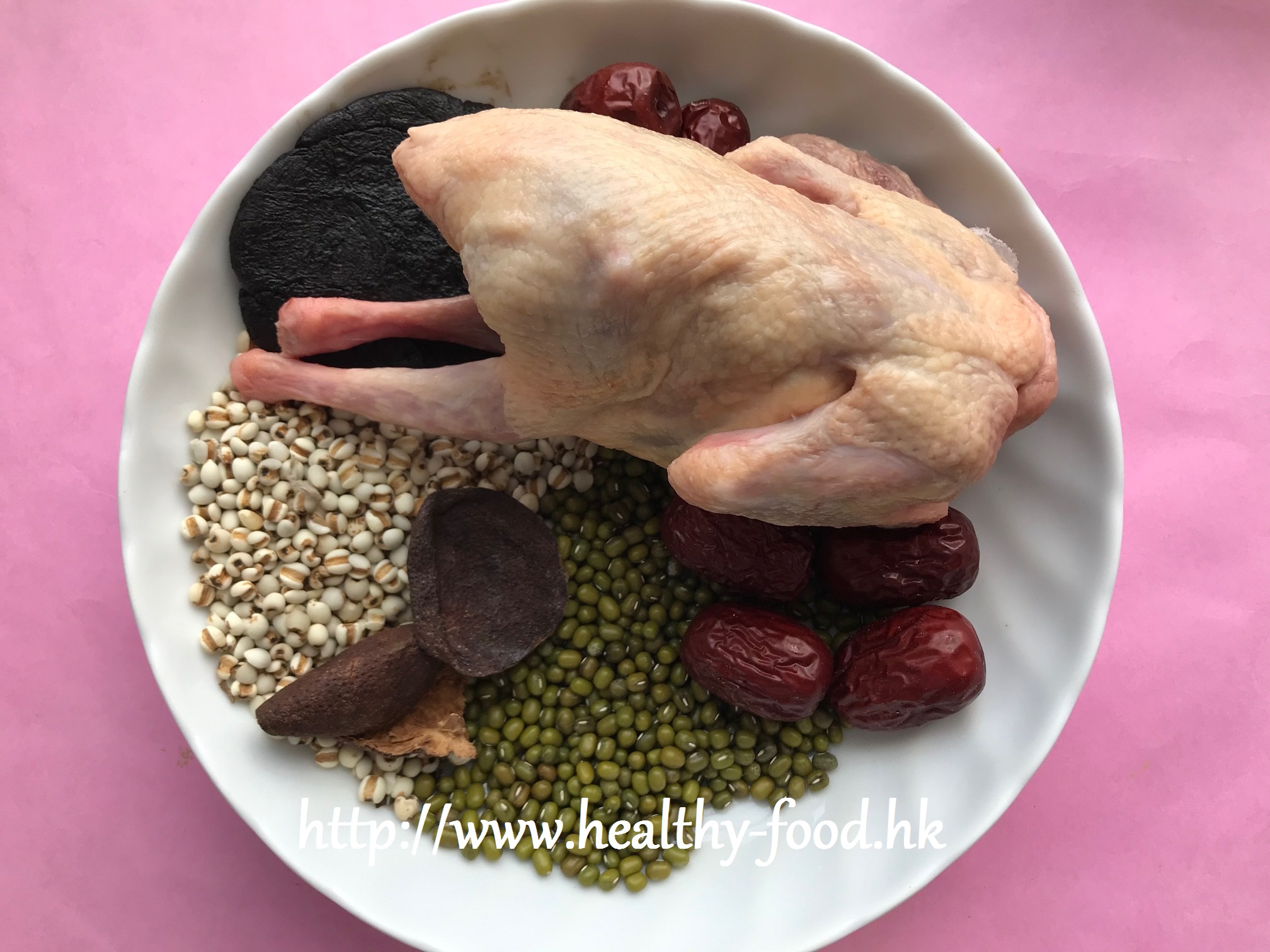
- Job’s tears / coix seed (sheng yi mi): Widely studied; traditionally used to drain dampness, clear heat, and reduce inflammation; one of the main food-grade herbs for damp-heat skin conditions
- Mung beans (lu dou): Classic heat-clearing, detoxifying food; reduces the internal heat that contributes to inflammatory skin eruptions
- Dried figs (wu hua guo): Soothe the digestive system and add gentle sweetness; balance the cooling nature of the other ingredients
External wash:
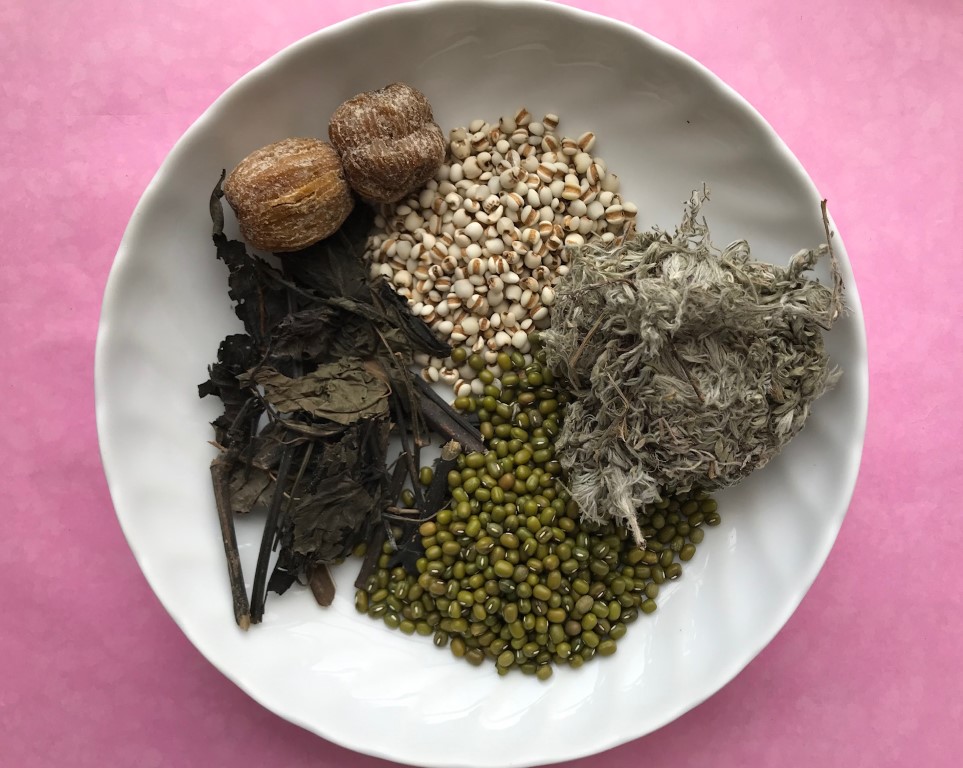
- White dittany bark (bai xian pi): A key herb for skin itching in TCM; used to clear heat, drain dampness, and stop itch — one of the most important topical anti-itch herbs
- Kochia fruit (di fu zi): Another core anti-itch herb; clears damp heat and relieves localised pruritus
- Arborvitae leaf (ce bai ye): Clears heat and cools the blood; used in skin conditions with redness and itching
Method
Internal soup:
- Soak mung beans and Job’s tears for 20 minutes; drain.
- Rinse and chop the cabbage into sections; halve the dried figs.
- Place all ingredients in a pot with 1.8 L of water.
- Bring to a boil, then simmer for 1 hour.
- Serve warm, eating the solids along with the broth.
External wash:
- Rinse all three herbs briefly.
- Place in a pot with 1.2 L of water; bring to a boil and simmer for 30 minutes.
- Strain the liquid and allow to cool to a comfortable temperature.
- Dip a piece of cotton wool into the herbal liquid and gently dab onto the itchy or affected skin. Do not rub.
- Apply 3 times a day.
Nourilo’s Tips
This combination of internal soup and external wash is effective for eczema, wind rash (urticaria), and general skin itching. Starting at the very first sign of itching gives the best results — the earlier the better. The external wash is safe and gentle enough for infants with eczema. Use a cotton swab or cotton wool to apply; never rub or scratch the skin while applying. The external wash is for topical use only — do not drink it.
What studies say about the key ingredients
Traditional use is not the same as clinical proof. Here is the strongest human research we found for each ingredient, limitations included.
- Job's tears (coix)
Myeloperoxidase activity rose significantly in the placebo group after 8 weeks but showed no significant change in the adlay tea group. Vascular endothelial function improved in the adlay group, especially in those over 40.Limitation: Participants were healthy adults and the outcomes were surrogate markers, so the results say little about clinical disease outcomes. Tea is a polyphenol-rich extract, not whole grain.PubMed 38945894 · 2 more job's tears (coix) studies - Mung beans
Breath hydrogen and methane were higher after wheat than after rice or mung bean noodles. Bloating scores after mung bean did not differ significantly from wheat, and mung bean produced gas levels similar to rice.Limitation: Small sample of 20 patients, with single meals tested rather than habitual intake, so longer-term effects of mung bean on symptoms are unknown.PubMed 31484315 · 1 more mung beans study
From the Nourilo Research Library. Findings come from specific doses, extracts and populations and may not apply to a home-cooked recipe.
Safety first — read before you cook
This is a traditional food, not a treatment. Please check with your doctor or pharmacist before making it a regular part of your diet if you:
- are pregnant or breastfeeding, or are cooking for a young child;
- take regular medicines — especially blood thinners, blood-pressure, diabetes or immune-suppressing drugs;
- have a kidney, liver or heart condition, or a known food allergy.
Stop eating it and seek advice if you notice an allergic reaction or feel unwell. Safety notes reviewed 8 October 2026 · How we write safety notes
Comments
Join the conversation — sign in or create a free account to comment.
Continue with GoogleBy continuing with Google or email you confirm you are 16 or older and agree to our Terms of Use and Privacy Policy.
Loading comments…