Soups
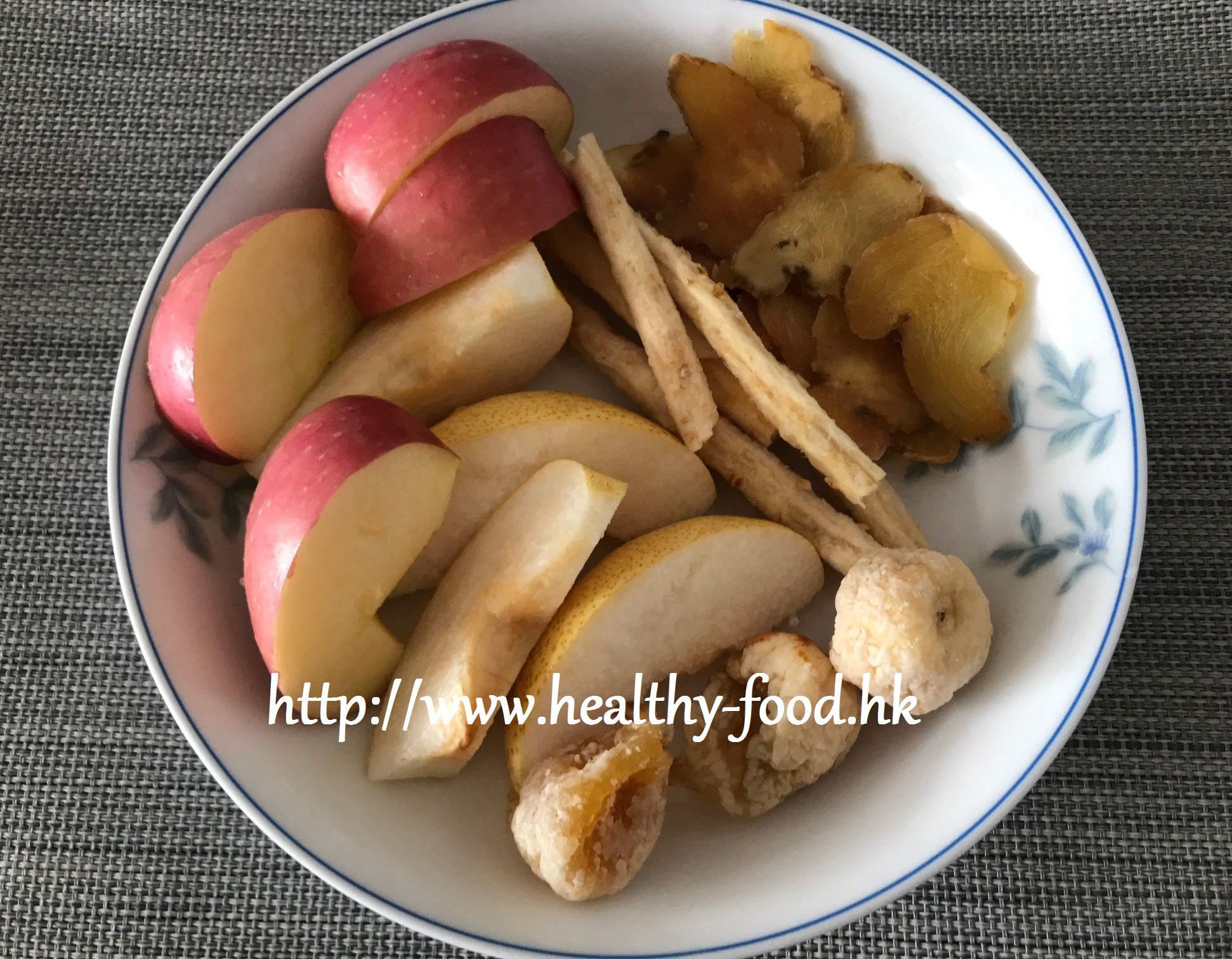
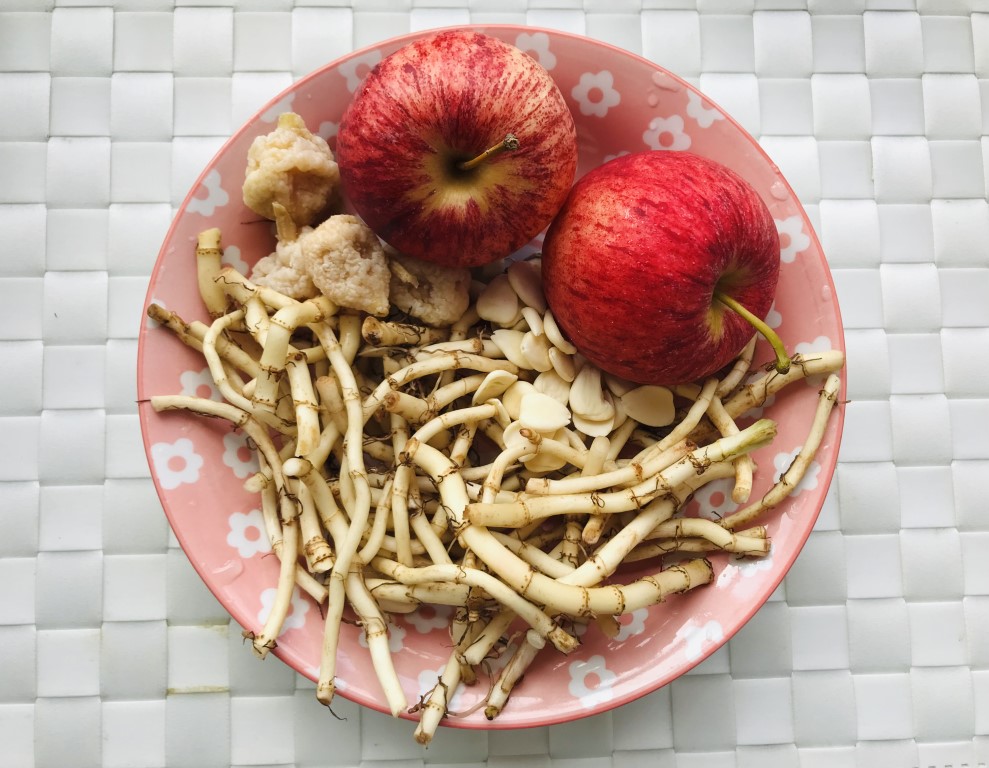
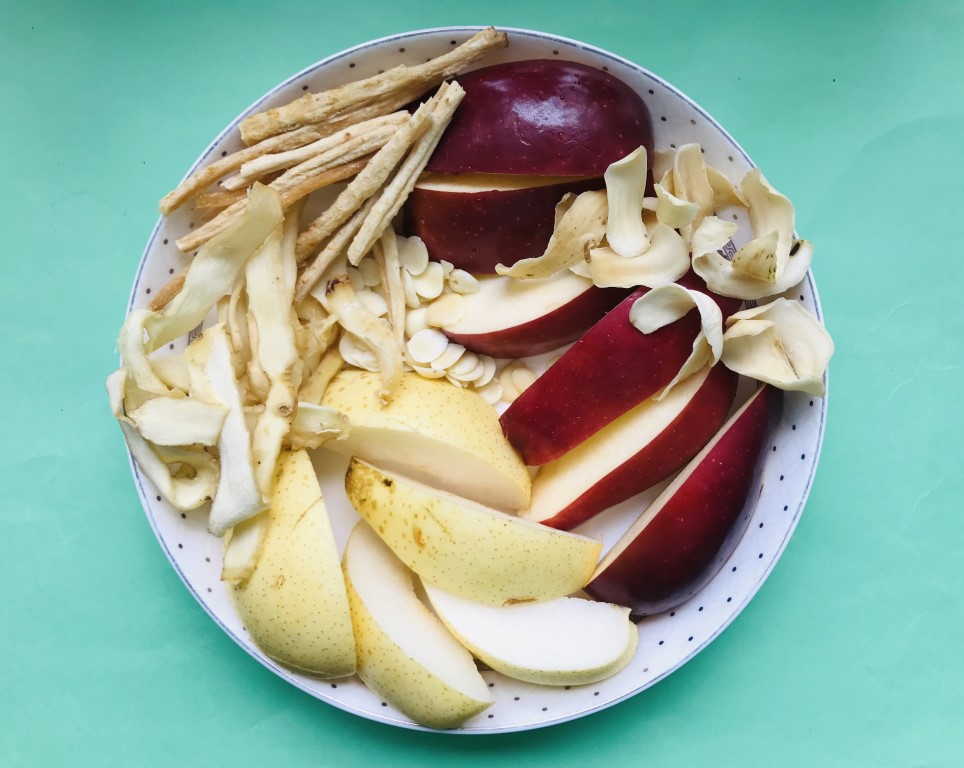
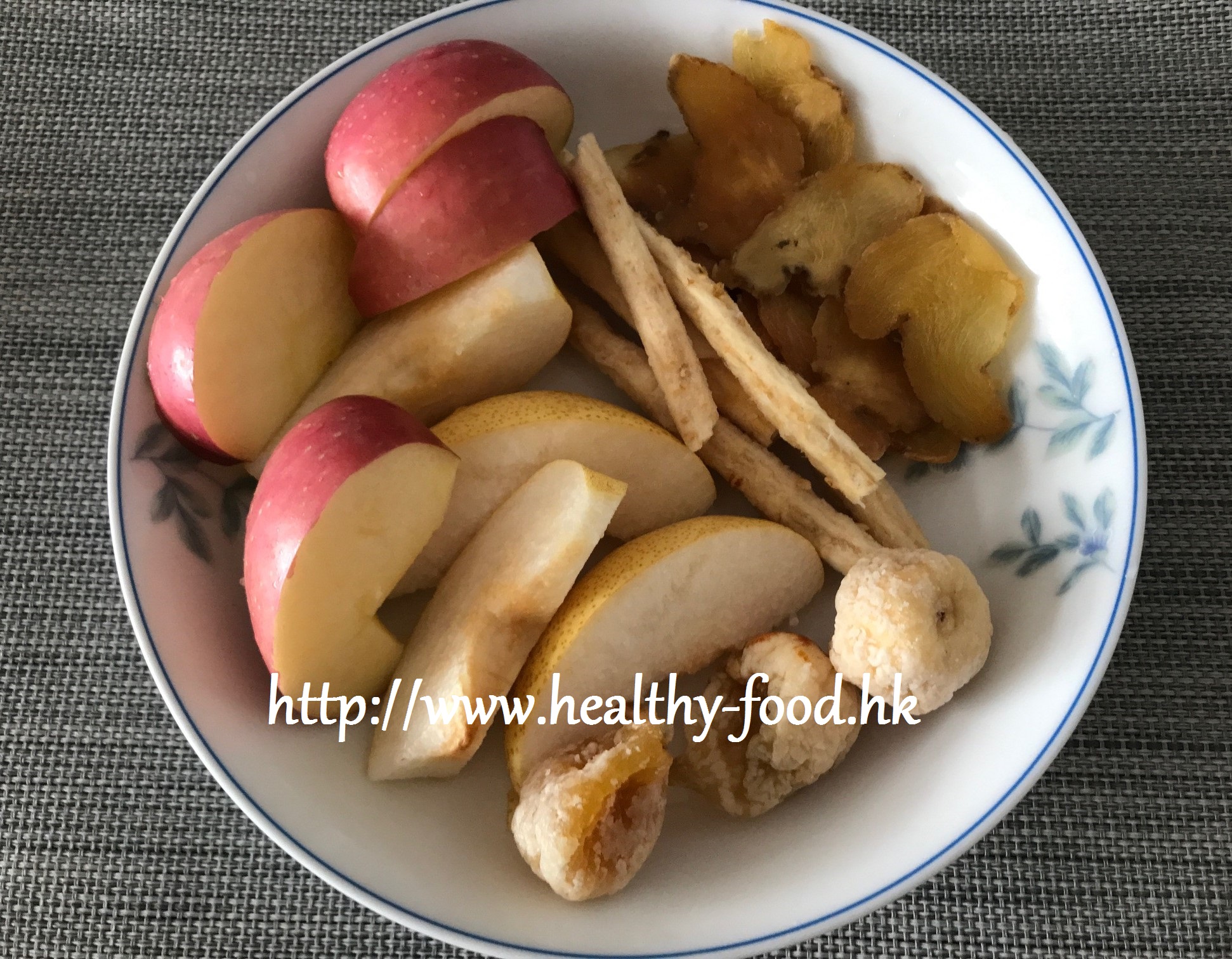
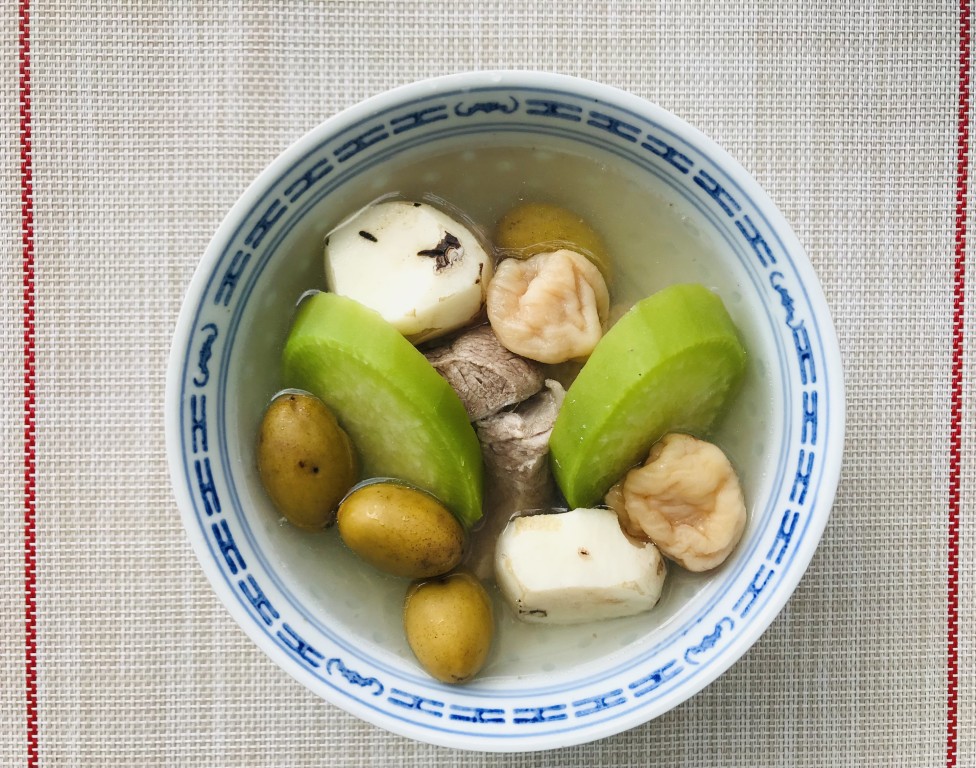
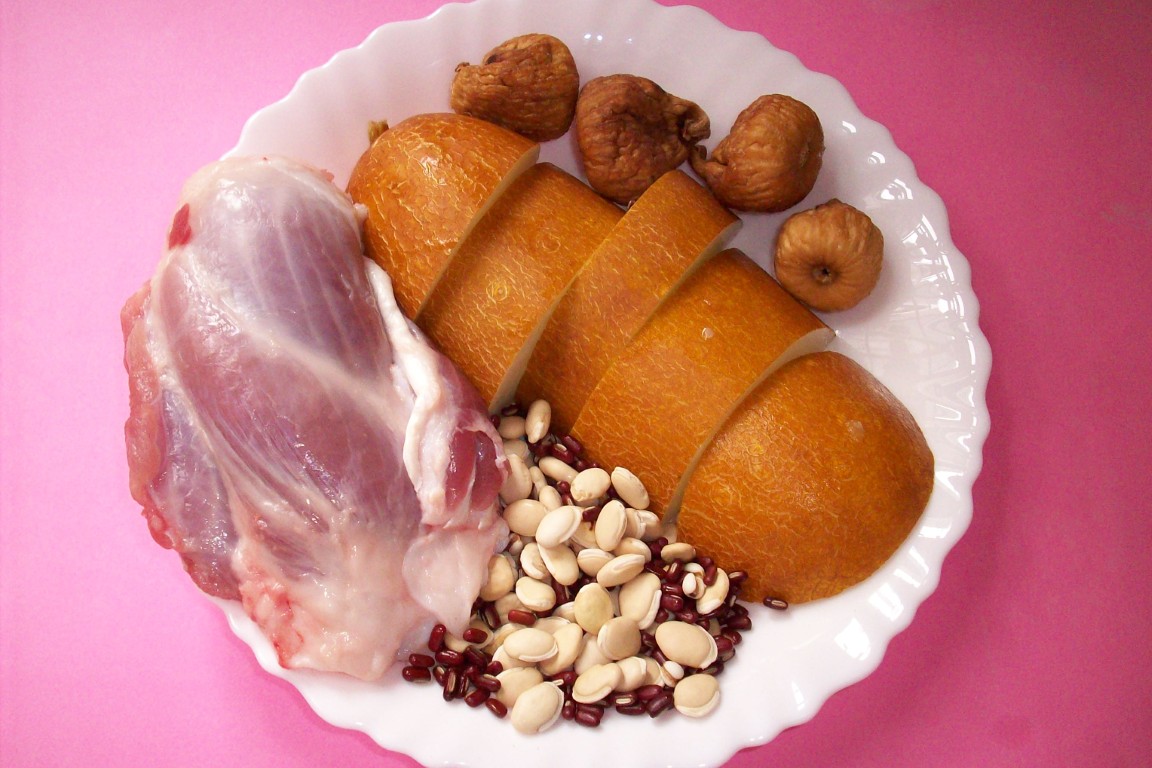
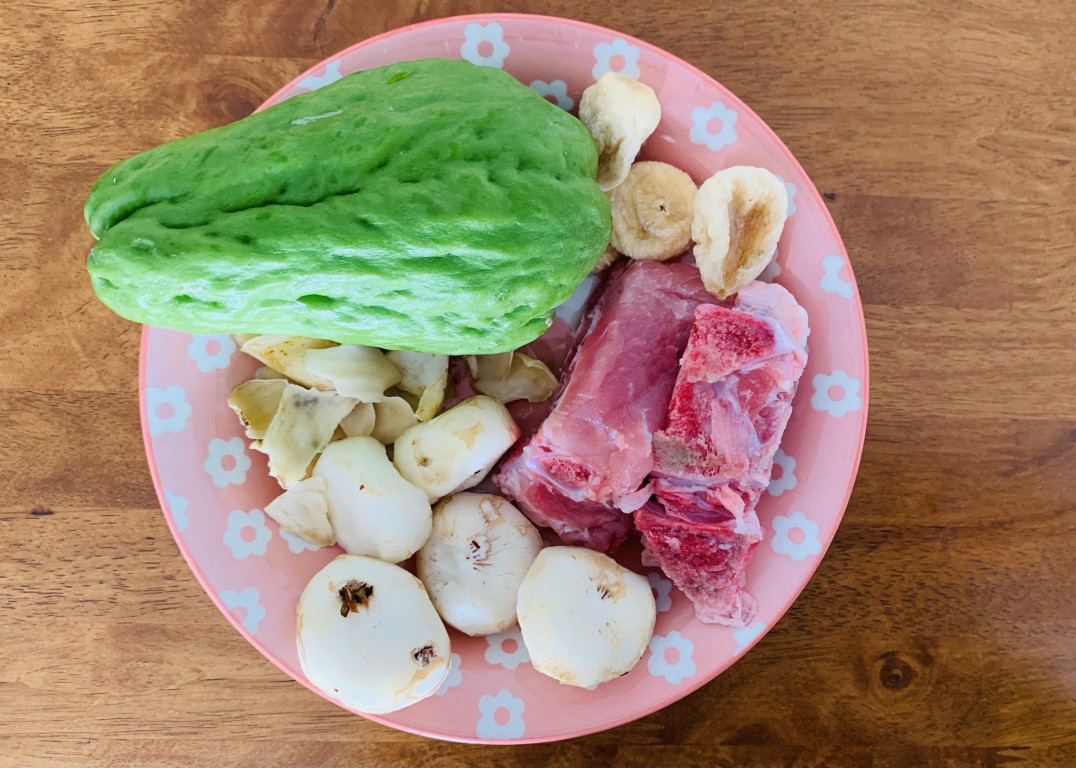
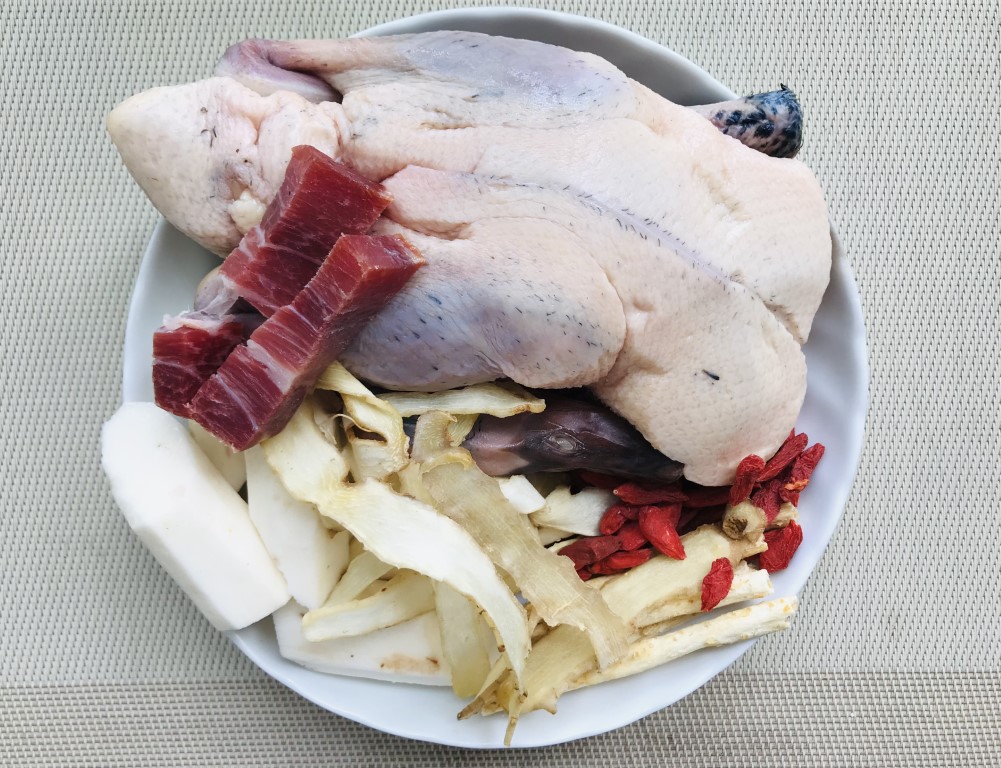
Glehnia, Sea Polygonatum, Apple, Pear and Fig Soup
traditionally associated with clearing lung heat, moistening dryness, and soothing the respiratory tract
In short: Glehnia, Sea Polygonatum, Apple, Pear and Fig Soup is a soup that traditionally associated with clearing lung heat, moistening dryness, and soothing the respiratory tract. It is most often made for respiratory & lung wellness, cooling & summer heat, everyday balance. Total time about 75 min. Key ingredients: glehnia root, apple, asian pear, figs.
Why people make this soup
When the air turns dry and respiratory illnesses start going around, Nourilo turns to this soup as one of his reliable go-to combinations for the whole family. What makes it particularly appealing is that it tastes genuinely pleasant — the natural sweetness of apple, Asian pear, and figs means no sugar is needed, and children rarely refuse it. From a food-therapy perspective, the combination of glehnia root and sea polygonatum provides the classic yin-nourishing and heat-clearing base, while the three fruits each contribute their own well-researched properties. Research suggests that eating apples regularly is associated with better lung function and respiratory health — likely due to the quercetin and other antioxidants they contain. Asian pears have long been used in Chinese food culture to moisten and cool the lungs. Figs bring gentle anti-inflammatory and throat-soothing qualities.
Safety first — read before you cook
This is a traditional food, not a treatment. Please check with your doctor or pharmacist before making it a regular part of your diet if you:
- are pregnant or breastfeeding, or are cooking for a young child;
- take regular medicines — especially blood thinners, blood-pressure, diabetes or immune-suppressing drugs;
- have a kidney, liver or heart condition, or a known food allergy.
Stop eating it and seek advice if you notice an allergic reaction or feel unwell. Safety notes reviewed 8 October 2026 · How we write safety notes
Members only
Unlock the full method & Nourilo's tips
One payment, lifetime access to every one of our 2,344 recipes — step-by-step methods, preparation tips and serving notes.
- Full step-by-step method for this and all 2,344 recipes
- Nourilo's Tips — sourcing, substitutions and serving notes
- One-time payment · card, Apple Pay or Google Pay · no subscription, no renewals
Checking your access…
$59.99 one-time · all recipes
Sign in or create a free account, then pay once by card, Apple Pay or Google Pay.
Continue with GoogleBy continuing with Google or email you confirm you are 16 or older and agree to our Terms of Use and Privacy Policy.
$59.99 one-time · all recipes
Signed in as ·
Secure checkout by Stripe. One-time payment, no renewals. Access is linked to your Nourilo account and never expires. By paying you agree to our Terms of Use; you can get a full refund within 14 days (refund policy).
Comments
Join the conversation — sign in or create a free account to comment.
Continue with GoogleBy continuing with Google or email you confirm you are 16 or older and agree to our Terms of Use and Privacy Policy.
Loading comments…