Salads & Cold Dishes
Chilled Ice Plant with Garlic-Vinegar Dressing
a crunchy, naturally mineral-rich vegetable side dish with a pleasantly crisp texture and mild natural salinity
Why people make this dish
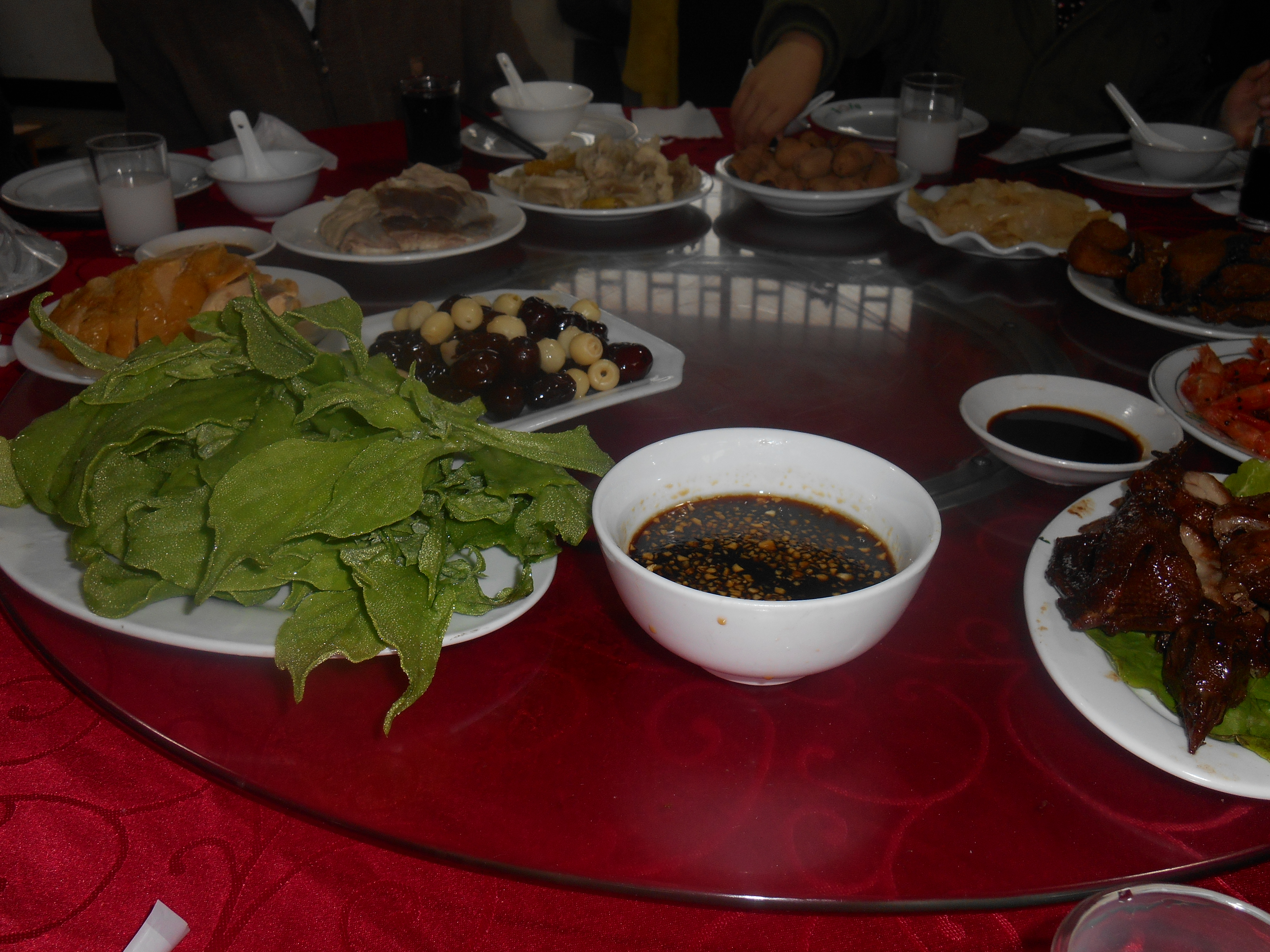
Ice plant (Mesembryanthemum crystallinum) is a fascinating succulent vegetable originally from South Africa, now cultivated widely in China. Its leaves are covered in tiny, glistening crystal-like formations — these are actually natural salt glands, which give the vegetable a mild, inherent saltiness and a wonderfully crisp texture. The leaves are thick, juicy, and refreshingly cool, with a slight natural sourness from malic acid. Combined with a simple garlic-vinegar dressing, it is one of those dishes that is both completely simple and surprisingly impressive. Bro Niu finds it a standout addition to any table — easy to prepare and genuinely satisfying to eat.
Who it suits / who should be cautious
- Suited to everyone; a healthy everyday vegetable for the whole family
- Particularly refreshing in warm weather or as a light side dish after a heavy meal
- No known contraindications for this dish
Why these ingredients (the food-therapy logic)
- Ice plant (bing cai): A naturally low-sodium yet mineral-rich vegetable containing potassium, sodium, beta-carotene, and other minerals; the natural malic acid gives a mild pleasant tartness. The thick, water-filled leaves are low in calories and high in hydration. Increasingly available at fresh markets.
- Garlic (suan): Traditionally considered warming and protective; adds a pungent depth to the dressing and is associated with supporting digestive health.
- Zhenjiang black vinegar: A complex, slightly sweet aged Chinese vinegar from Jiangsu province — different from regular white or rice vinegar. It adds depth and a mild sourness that complements the ice plant’s natural flavour. Regular rice vinegar can be substituted.
- Sesame oil: Adds fragrance and richness to round out the dressing.
Ingredients (2 servings)
| Ingredient | Amount | Notes |
|---|---|---|
| Ice plant (bing cai) | 1 bunch, ~150–200 g | Also called crystal vegetable or New Zealand spinach at some markets |
| Garlic, finely minced | 1–2 cloves | To taste |
| Zhenjiang black vinegar | 1–2 teaspoons | Regular rice vinegar works too |
| Sweet soy sauce or light soy sauce | 1 teaspoon | Adjust to taste |
| Toasted sesame oil | A few drops |
Method
- Rinse the ice plant thoroughly under cold running water, then drain and pat dry (no need to blanch — ice plant is eaten raw).
- Arrange on a plate or in a bowl.
- Mix together the minced garlic, vinegar, soy sauce, and sesame oil to form a dressing.
- Drizzle the dressing over the ice plant just before serving, or serve it alongside as a dipping sauce.
- Serve immediately while cold and crisp.
Bro Niu’s tips
The beauty of this dish is its simplicity. Ice plant needs no blanching — just wash, drain well, and dress. The key is not to dress it too early, or it will wilt and lose its signature crispness. The natural saltiness of the ice plant crystals means you do not need much added soy sauce.
Ice plant is available at Chinese or Asian grocers, specialty vegetable markets, and online. The English name is “ice plant” (Mesembryanthemum crystallinum); it is also sometimes sold as “crystal vegetable.”
A reader also mentioned that a tahini (sesame paste) dressing works wonderfully with ice plant — Bro Niu agrees it is worth trying as a variation.
Published December 2, 2015 · Adapted and translated for Nourilo from a traditional home-kitchen recipe. Approx. 3 min read.