Soups
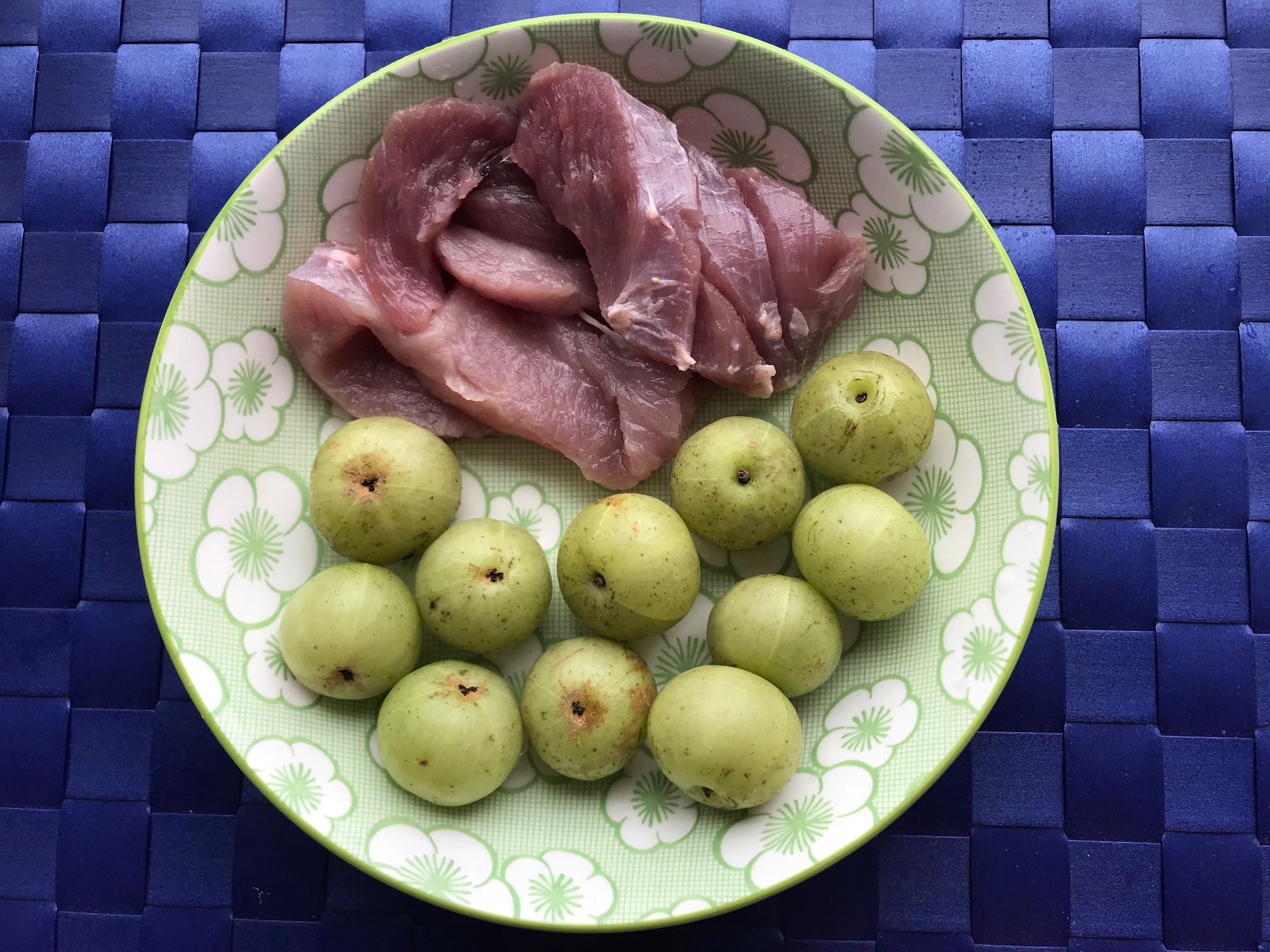
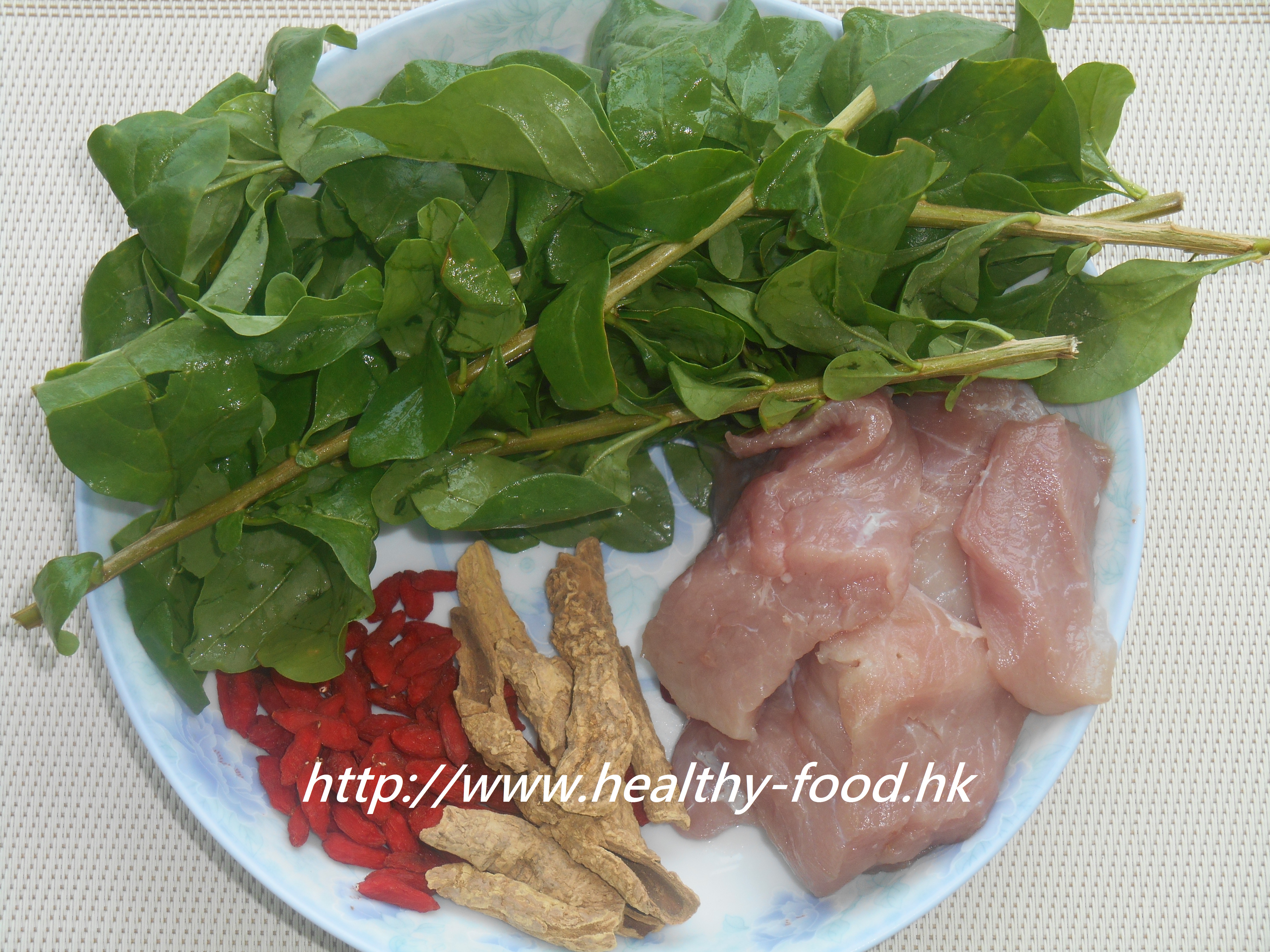
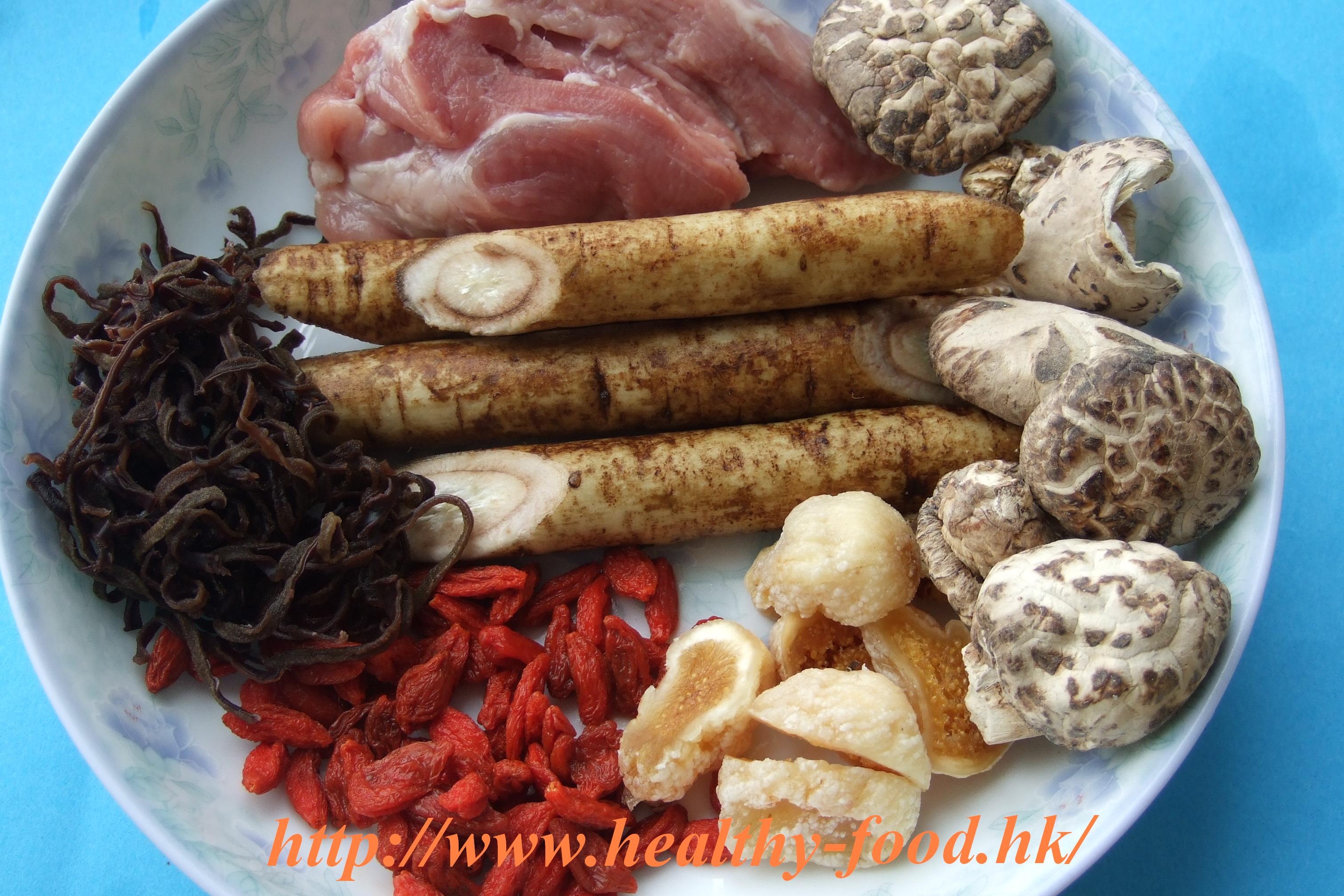
Phyllanthus (Oil Gan Zi) and Lean Pork Soup
traditionally associated with supporting healthy blood sugar and blood pressure levels
In short: Phyllanthus (Oil Gan Zi) and Lean Pork Soup is a soup that traditionally associated with supporting healthy blood sugar and blood pressure levels. It is most often made for blood sugar balance, heart & circulation. Total time about 75 min. Key ingredients: lean pork.
Why people make this soup
Phyllanthus fruit — known in Cantonese as you gan zi, also called Indian gooseberry or amla — is an ingredient worth seeking out. The fruit is intensely astringent and sour on first bite, but after a moment the mouth fills with a pleasant lingering sweetness — hence another name it goes by: yu gan guo, meaning “fruit of lingering sweetness.” Rather than eat it raw (which is a challenge!), simmering it with lean pork transforms it into a gently tart, easy-drinking soup. The fruit is rich in selenium and vitamin C, and in Chinese dietary tradition is associated with supporting both liver and kidney function, moistening the throat, and helping to manage blood sugar and blood pressure without side effects.
Safety first — read before you cook
This is a traditional food, not a treatment. Please check with your doctor or pharmacist before making it a regular part of your diet if you:
- are pregnant or breastfeeding, or are cooking for a young child;
- take regular medicines — especially blood thinners, blood-pressure, diabetes or immune-suppressing drugs;
- have a kidney, liver or heart condition, or a known food allergy.
Stop eating it and seek advice if you notice an allergic reaction or feel unwell. Safety notes reviewed 8 October 2026 · How we write safety notes
Members only
Unlock the full method & Nourilo's tips
One payment, lifetime access to every one of our 2,344 recipes — step-by-step methods, preparation tips and serving notes.
- Full step-by-step method for this and all 2,344 recipes
- Nourilo's Tips — sourcing, substitutions and serving notes
- One-time payment · card, Apple Pay or Google Pay · no subscription, no renewals
Checking your access…
$59.99 one-time · all recipes
Sign in or create a free account, then pay once by card, Apple Pay or Google Pay.
Continue with GoogleBy continuing with Google or email you confirm you are 16 or older and agree to our Terms of Use and Privacy Policy.
$59.99 one-time · all recipes
Signed in as ·
Secure checkout by Stripe. One-time payment, no renewals. Access is linked to your Nourilo account and never expires. By paying you agree to our Terms of Use; you can get a full refund within 14 days (refund policy).
Comments
Join the conversation — sign in or create a free account to comment.
Continue with GoogleBy continuing with Google or email you confirm you are 16 or older and agree to our Terms of Use and Privacy Policy.
Loading comments…