Soups
Qingbuliang Pork Rib Soup
Traditionally used to moisten internal dryness, calm internal heat, and nourish the organs in dry seasons
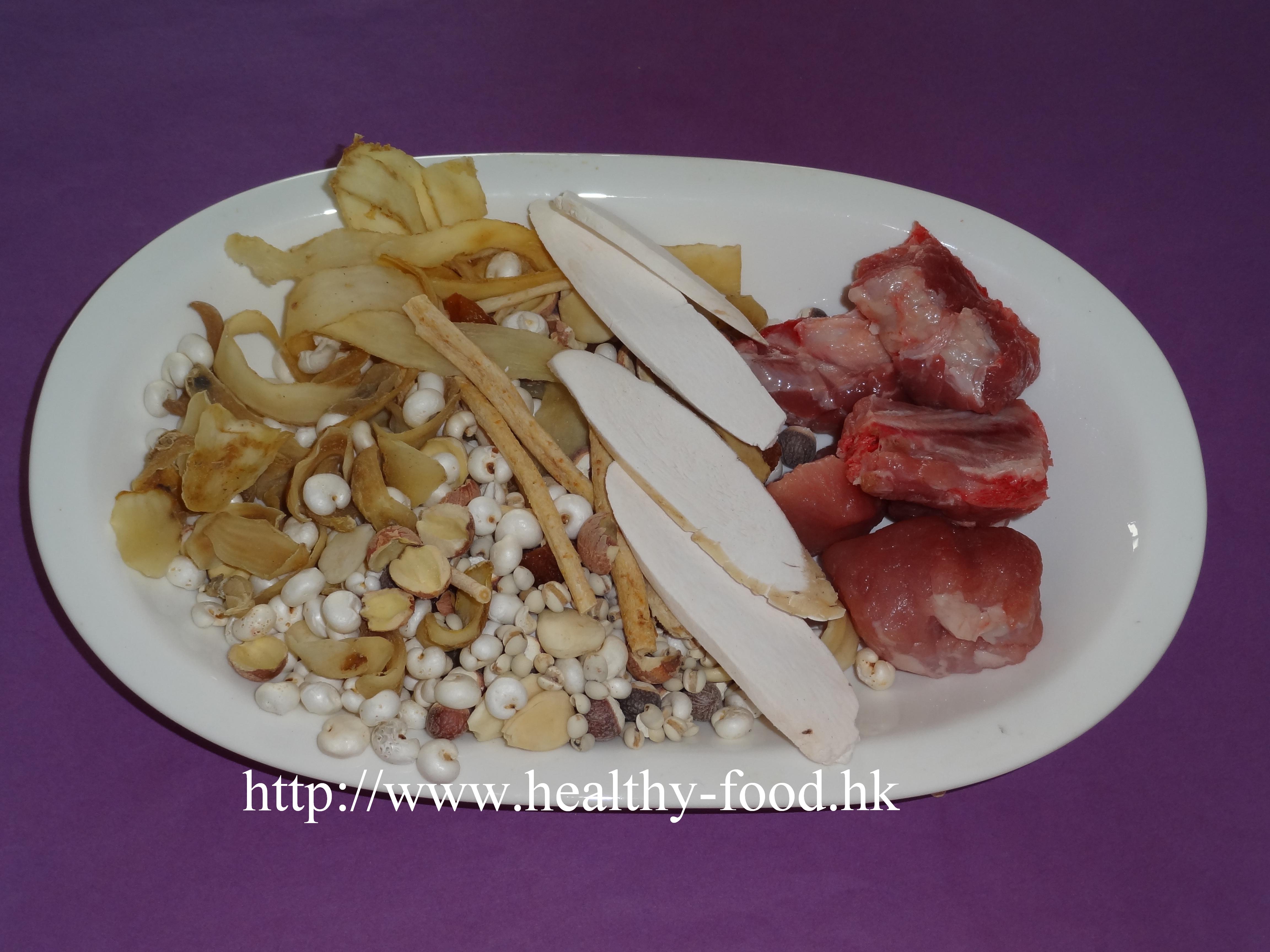
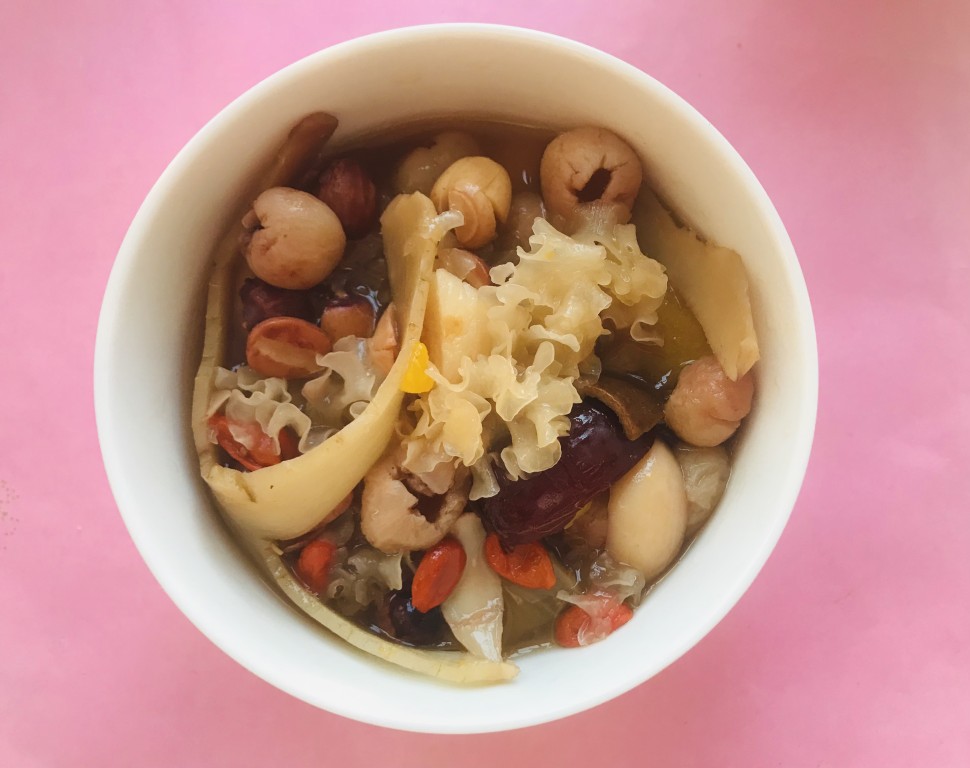
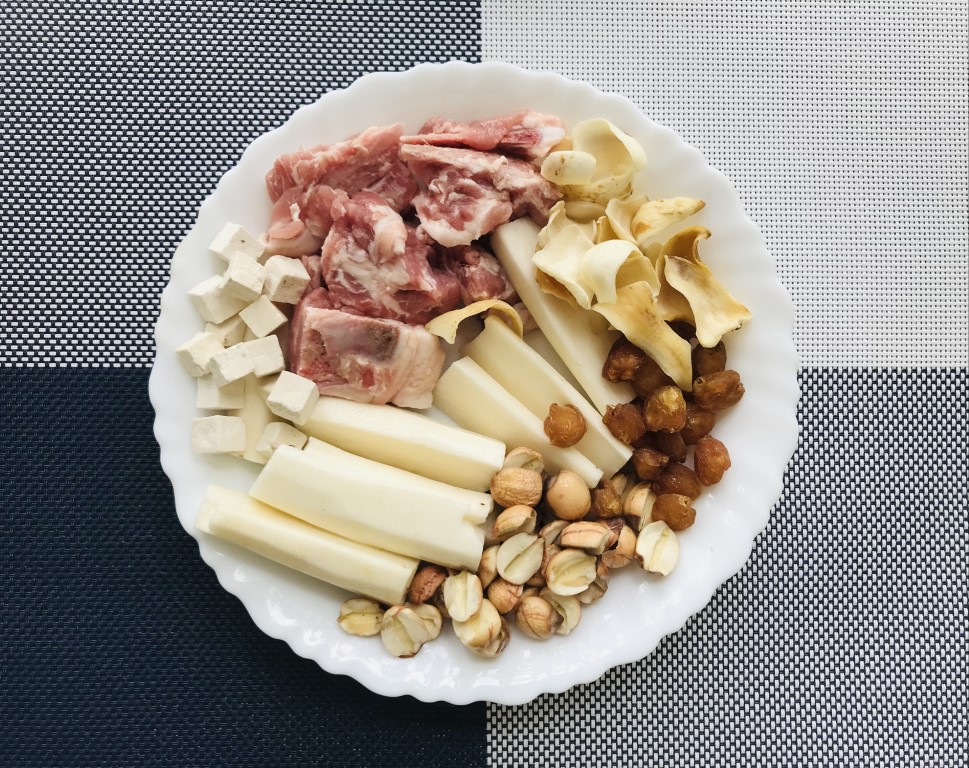
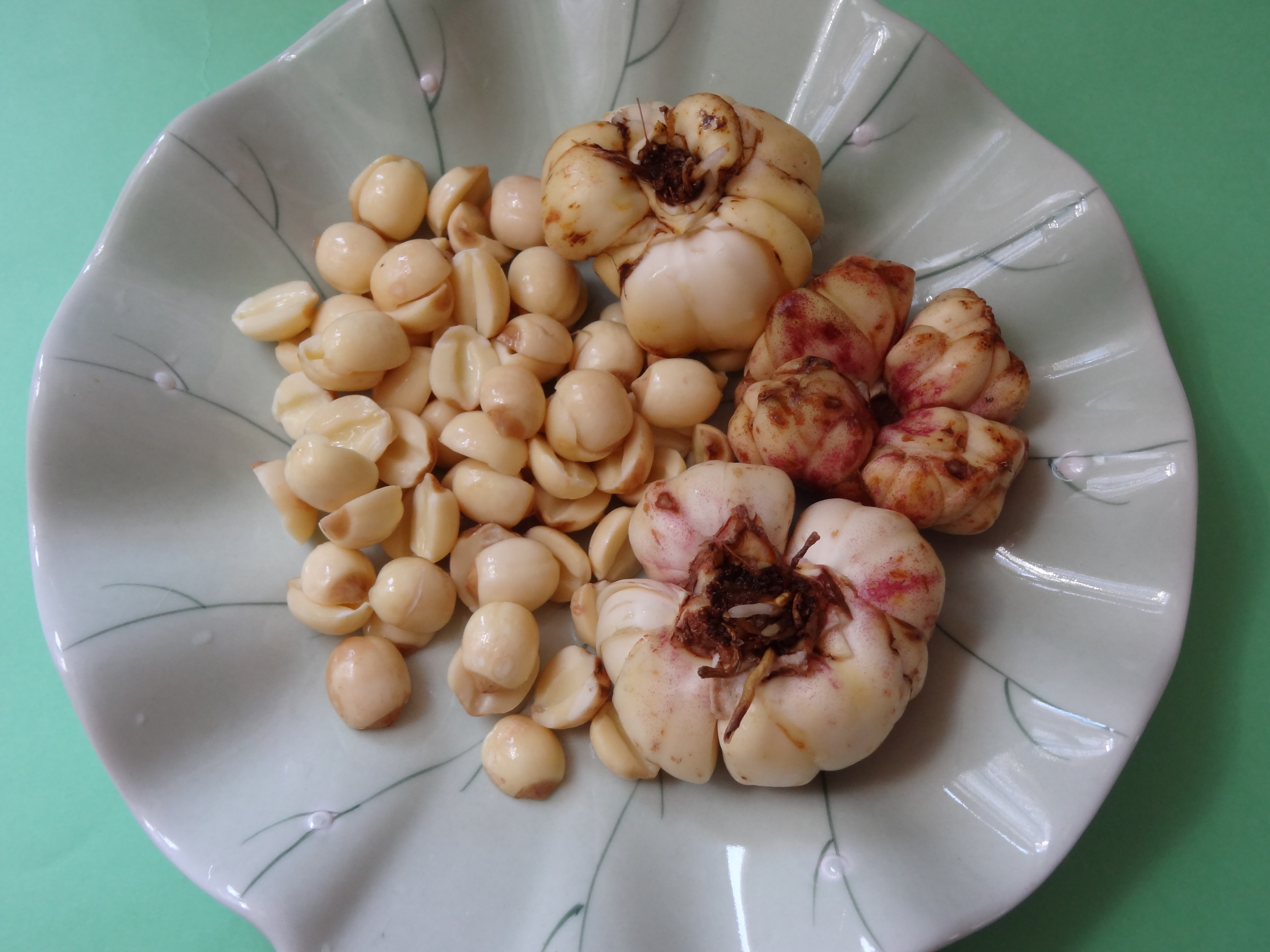
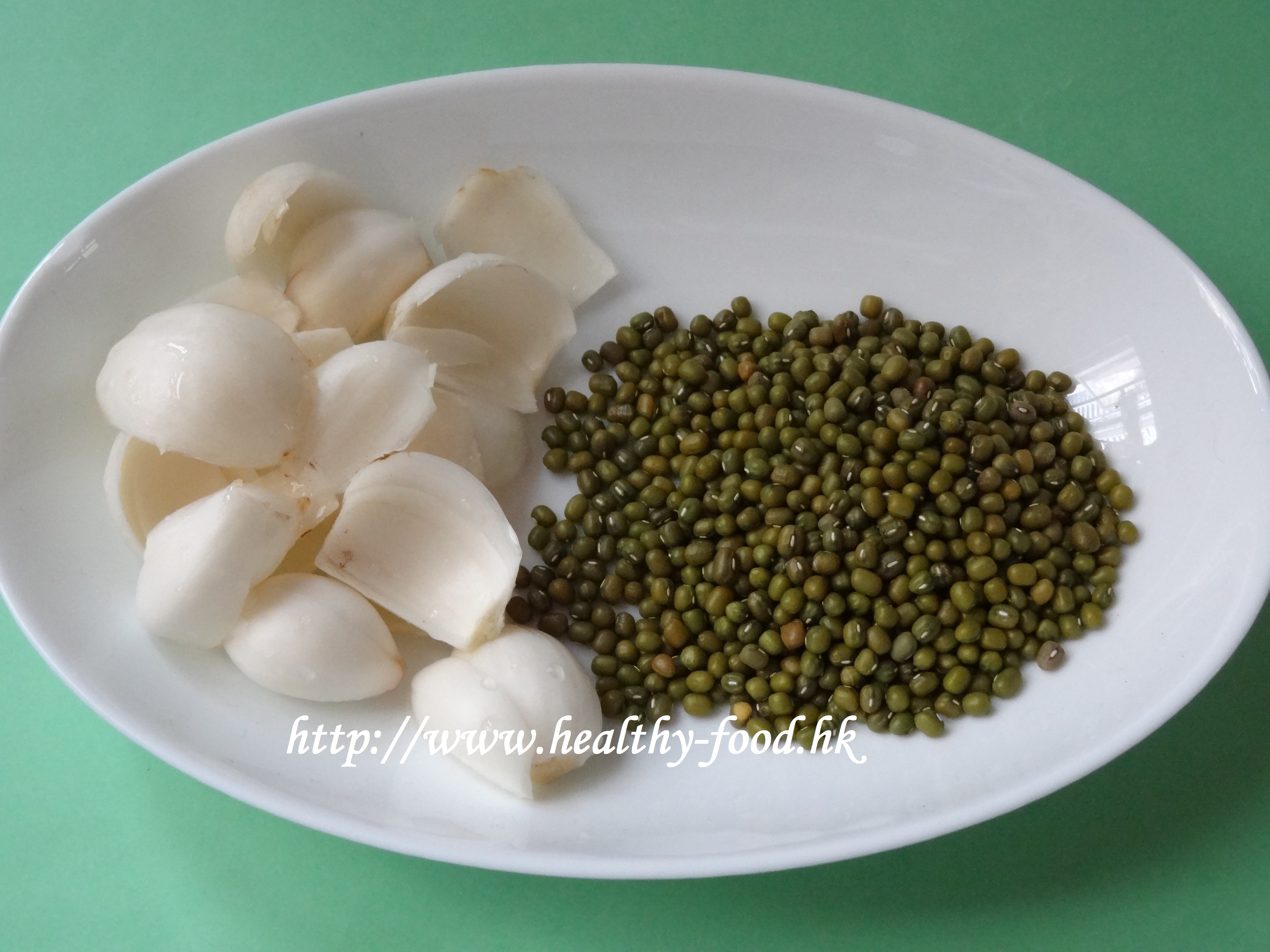
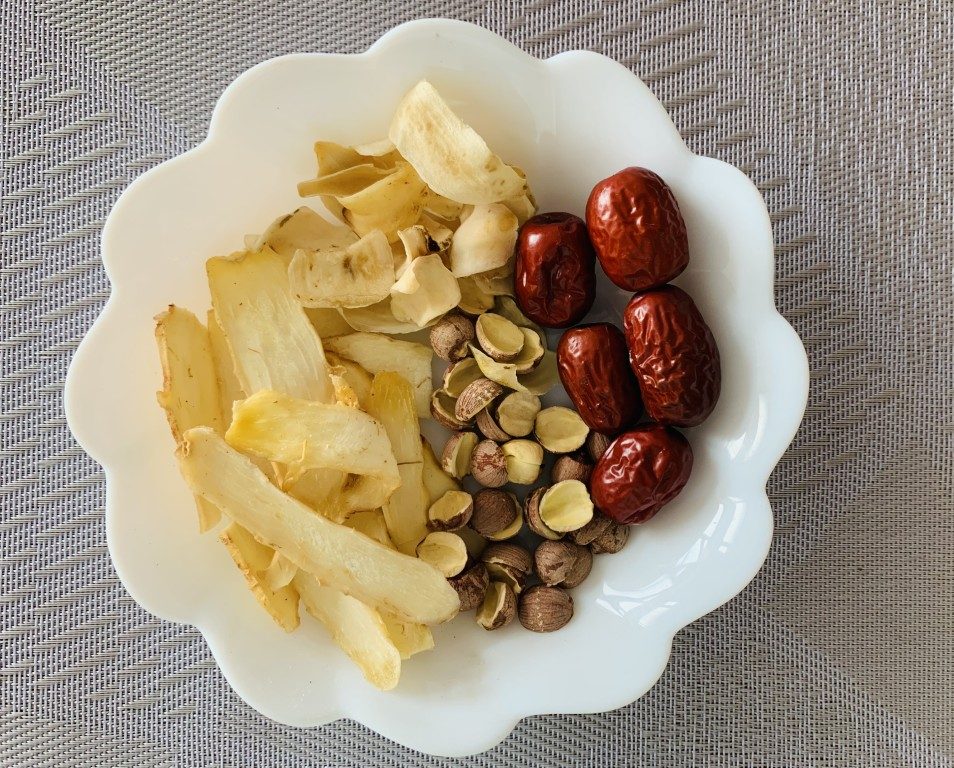
In short: Qingbuliang Pork Rib Soup is a soup that Traditionally used to moisten internal dryness, calm internal heat, and nourish the organs in dry seasons. It is most often made for cooling & summer heat, sleep & calm, everyday balance. Total time about 140 min. Key ingredients: solomon's seal rhizome, lily bulb, chinese yam, coix seeds / job's tears.
Why people make this soup
When dry autumn and winter weather arrives, many people notice their lips crack, their throat feels scratchy, and their mood turns irritable — signs that traditional Chinese food therapy associates with “internal dryness.” Nourilo points out an easy mistake: reaching for cold bitter herbal teas may actually make the dryness worse. Qingbuliang — which translates loosely as “clear, nourish, and cool” — is a more balanced approach: a gentle, time-honoured blend designed to moisten from within rather than simply push heat out. Pre-packaged versions exist in supermarkets, but Nourilo encourages buying the individual ingredients from a good herb shop — the quality difference in flavour and effect is noticeable.
What studies say about the key ingredients
Traditional use is not the same as clinical proof. Here is the strongest human research we found for each ingredient, limitations included.
- Lotus seeds
Lotus seed meals had a low glycemic index (GI 21–51 across the lotus seed and adzuki bean meals), while several other starchy foods did not differ significantly from rice. Lotus seed's in vitro hydrolysis index was also lower than that of other test foods.Limitation: Only ten healthy participants and acute single-meal tests, so findings may not apply to people with diabetes or to long-term intake.PubMed 30875961 - Job's tears (coix)
Myeloperoxidase activity rose significantly in the placebo group after 8 weeks but showed no significant change in the adlay tea group. Vascular endothelial function improved in the adlay group, especially in those over 40.Limitation: Participants were healthy adults and the outcomes were surrogate markers, so the results say little about clinical disease outcomes. Tea is a polyphenol-rich extract, not whole grain.PubMed 38945894 · 2 more job's tears (coix) studies
From the Nourilo Research Library. Findings come from specific doses, extracts and populations and may not apply to a home-cooked recipe.
Safety first — read before you cook
This is a traditional food, not a treatment. Please check with your doctor or pharmacist before making it a regular part of your diet if you:
- are pregnant or breastfeeding, or are cooking for a young child;
- take regular medicines — especially blood thinners, blood-pressure, diabetes or immune-suppressing drugs;
- have a kidney, liver or heart condition, or a known food allergy.
Ingredient notes for this recipe
- Ginseng: May interfere with blood clotting, might lower blood sugar and may worsen autoimmune conditions. Some experts advise against it for children and during pregnancy or breastfeeding. Source: NIH NCCIH — Asian Ginseng
Stop eating it and seek advice if you notice an allergic reaction or feel unwell. Safety notes reviewed 8 October 2026 · How we write safety notes
Members only
Unlock the full method & Nourilo's tips
One payment, lifetime access to every one of our 2,344 recipes — step-by-step methods, preparation tips and serving notes.
- Full step-by-step method for this and all 2,344 recipes
- Nourilo's Tips — sourcing, substitutions and serving notes
- One-time payment · card, Apple Pay or Google Pay · no subscription, no renewals
Checking your access…
$59.99 one-time · all recipes
Sign in or create a free account, then pay once by card, Apple Pay or Google Pay.
Continue with GoogleBy continuing with Google or email you confirm you are 16 or older and agree to our Terms of Use and Privacy Policy.
$59.99 one-time · all recipes
Signed in as ·
Secure checkout by Stripe. One-time payment, no renewals. Access is linked to your Nourilo account and never expires. By paying you agree to our Terms of Use; you can get a full refund within 14 days (refund policy).
Comments
Join the conversation — sign in or create a free account to comment.
Continue with GoogleBy continuing with Google or email you confirm you are 16 or older and agree to our Terms of Use and Privacy Policy.
Loading comments…