Food-therapy guide
What soups and teas help with weight management?
Short answer
For weight management, Cantonese food therapy often turns to light soups and post-meal teas that traditionally support digestion, fat metabolism and fluid balance. Hawthorn Cassia Lotus Leaf Tea is a practical everyday option, while Bitter Melon, Adzuki Bean and White Kidney Bean Pork Soup suits a light summer meal. Imperata Root, Pearl Barley and Winter Melon Drink is traditionally used when rich or salty eating leaves you feeling bloated or puffy.
In Cantonese food-therapy terms, weight concerns are often considered alongside food stagnation, dampness, fluid retention and the effects of repeatedly eating rich, fatty or heavy meals. The aim is not rapid weight loss, but choosing lighter foods and drinks that traditionally accompany a more balanced eating pattern.
These recipes take several approaches: hawthorn and tea are traditionally associated with digesting rich foods, winter melon and pearl barley with draining dampness and excess fluid, and ingredients such as bitter melon, bamboo fungus, beans and seaweed with supporting healthy weight management. They are best viewed as additions to sensible portions and regular movement, not substitutes for them.
7 recipes compared
| Recipe | Type | Key ingredients | Best for | Time |
|---|---|---|---|---|
| Hawthorn Cassia Lotus Leaf Tea | Herbal & Flower Teas | Dried hawthorn berries, Dry-roasted cassia seeds, Dried lotus leaf pieces | Regular support alongside lighter eating | 15 min |
| Hawthorn Berry & Lotus Leaf Tea | Herbal & Flower Teas | Dried hawthorn berries, Lotus leaf tea | After rich or fatty meals | 15 min |
| Bitter Melon, Adzuki Bean and White Kidney Bean Pork Soup | Soups | Bitter melon, Red adzuki beans, White kidney beans / cannellini-style beans | A light summer meal | 1 hr 45 min |
| Imperata Root, Pearl Barley and Winter Melon Drinkfull recipe free | Tonic Drinks & Waters | Fresh imperata root, Raw pearl barley / Job's tears, Winter melon, with skin and seeds | Post-feast puffiness and bloating | 70 min |
| Oil-Gan Zi (Indian Gooseberry) Green Tea | Herbal & Flower Teas | Oil-gan zi / Indian gooseberry, Green tea or oolong / Tie Guan Yin tea | A refreshing post-meal tea | 20 min |
| Bamboo Fungus, Soybean, and Shiitake Soup | Soups | Dried bamboo fungus, Dried shiitake mushrooms, Soybeans | Vegetarian weight-conscious meals | 2 hr 20 min |
| Spiral Seaweed and Tomato Soupfull recipe free | Soups | Tomato, Spiral seaweed, Fresh ginger, julienned | A quick, light meal | 15 min |
The recipes, and why each one fits
-
 Herbal & Flower Teas
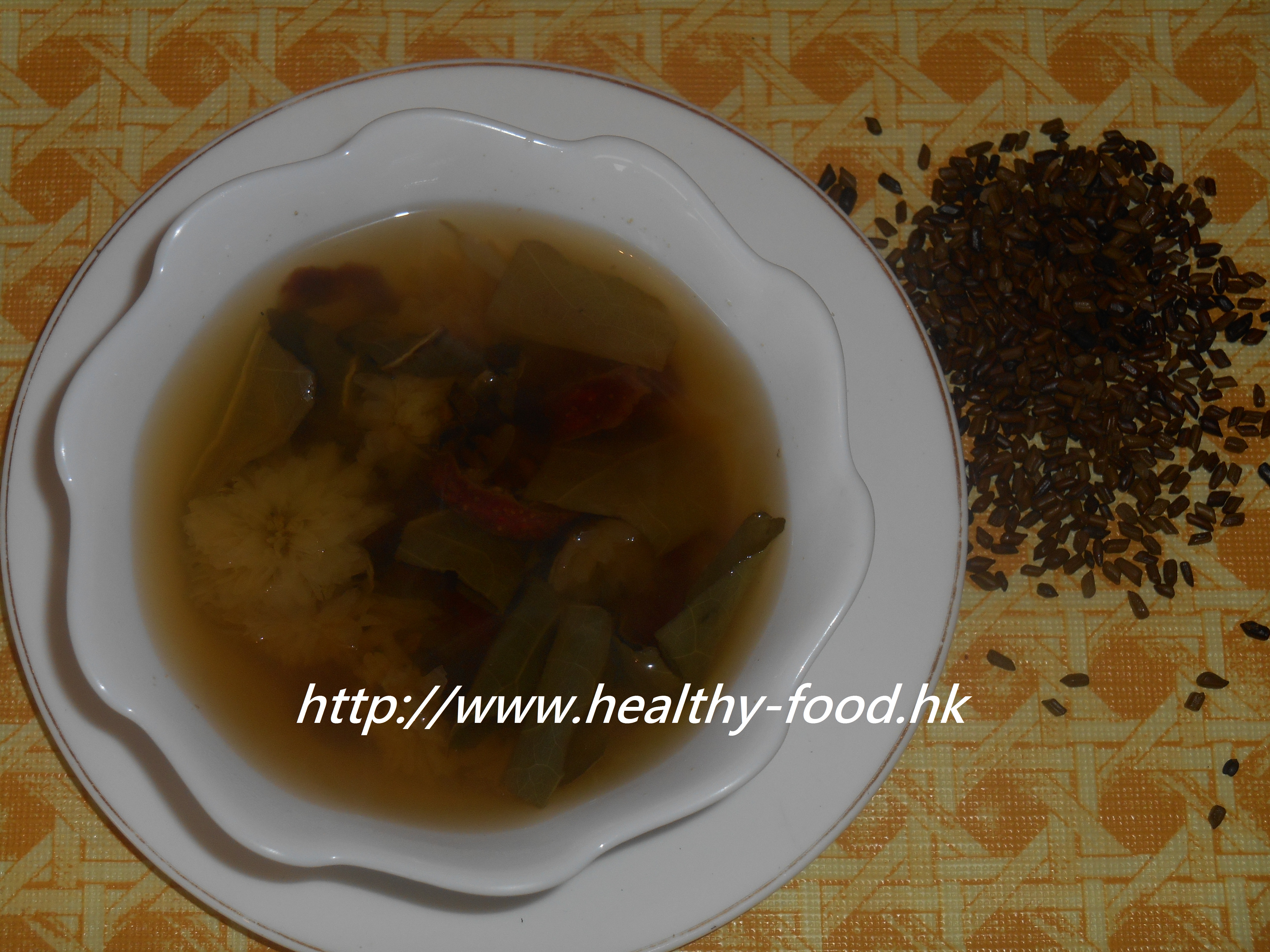
Hawthorn Cassia Lotus Leaf Tea
Hawthorn Cassia Lotus Leaf Tea
Best for: Regular support alongside lighter eating
Hawthorn, cassia seeds and lotus leaf are traditionally associated with supporting digestion and fat metabolism after heavier eating. Nourilo specifically presents this tea as support for gradual weight management rather than a shortcut.
traditionally associated with reducing fat accumulation, supporting digestion and promoting healthy blood lipids
-
 Herbal & Flower Teas
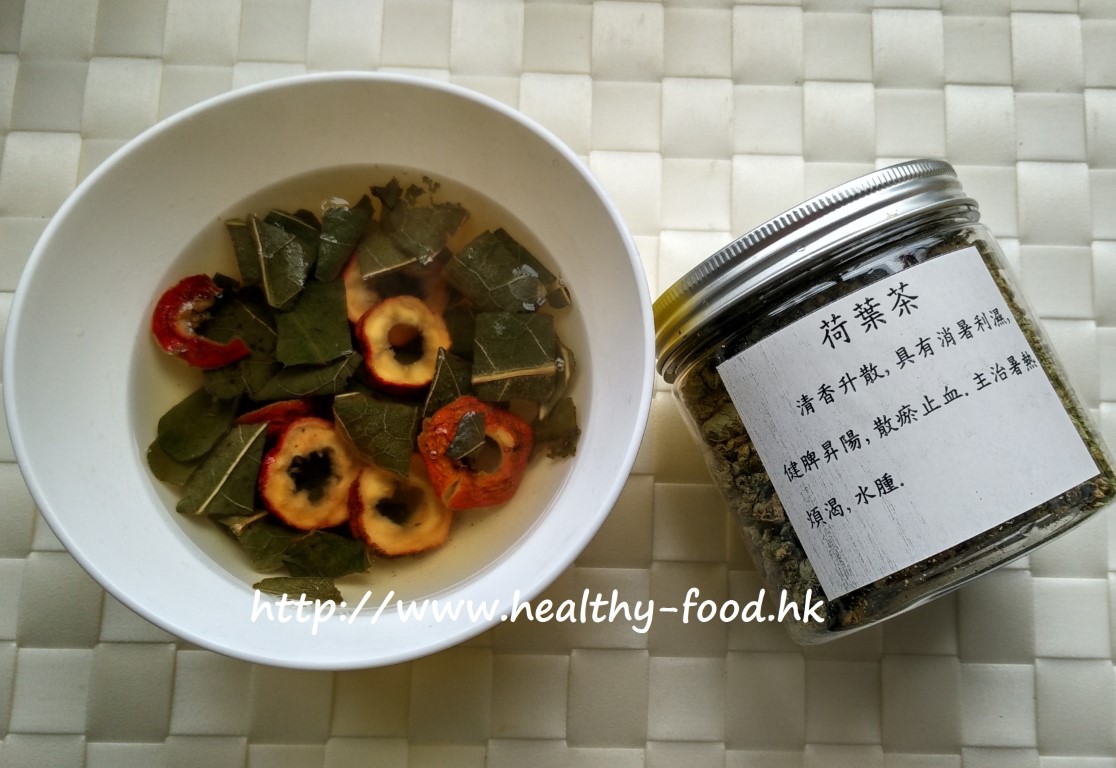
Hawthorn Berry & Lotus Leaf Tea
Hawthorn Berry & Lotus Leaf Tea
Best for: After rich or fatty meals
Hawthorn berries are widely used in Chinese food therapy for food stagnation after heavy meals, while lotus leaf is traditionally associated with fluid balance and fat metabolism. This simple two-ingredient tea is best taken after eating.
Traditionally used to aid digestion, break down fats, and support healthy weight management
-
 Soups
SoupsBitter Melon, Adzuki Bean and White Kidney Bean Pork Soup
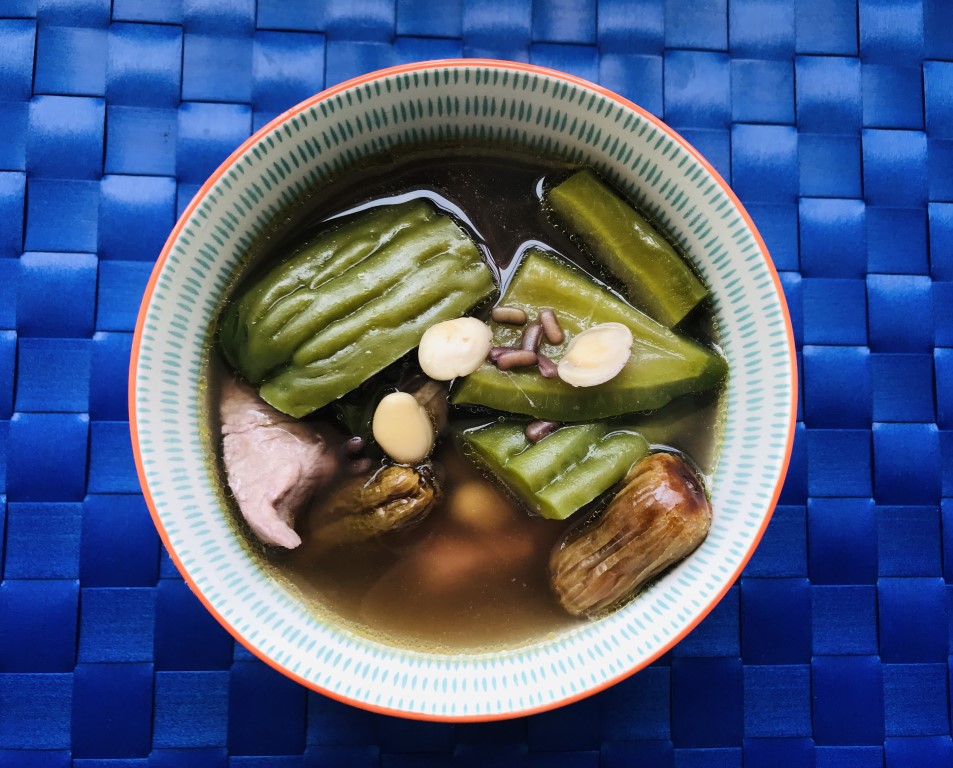
Bitter Melon, Adzuki Bean and White Kidney Bean Pork Soup
Best for: A light summer meal
Bitter melon is traditionally associated with supporting healthy weight management and clearing heat, while adzuki and white kidney beans make this a more substantial soup. Despite the bitter melon, the finished broth is described as clean and mild.
Traditionally used to support fat metabolism, clear heat, and strengthen the spleen
-
 Tonic Drinks & Waters
Imperata Root, Pearl Barley and Winter Melon Drink
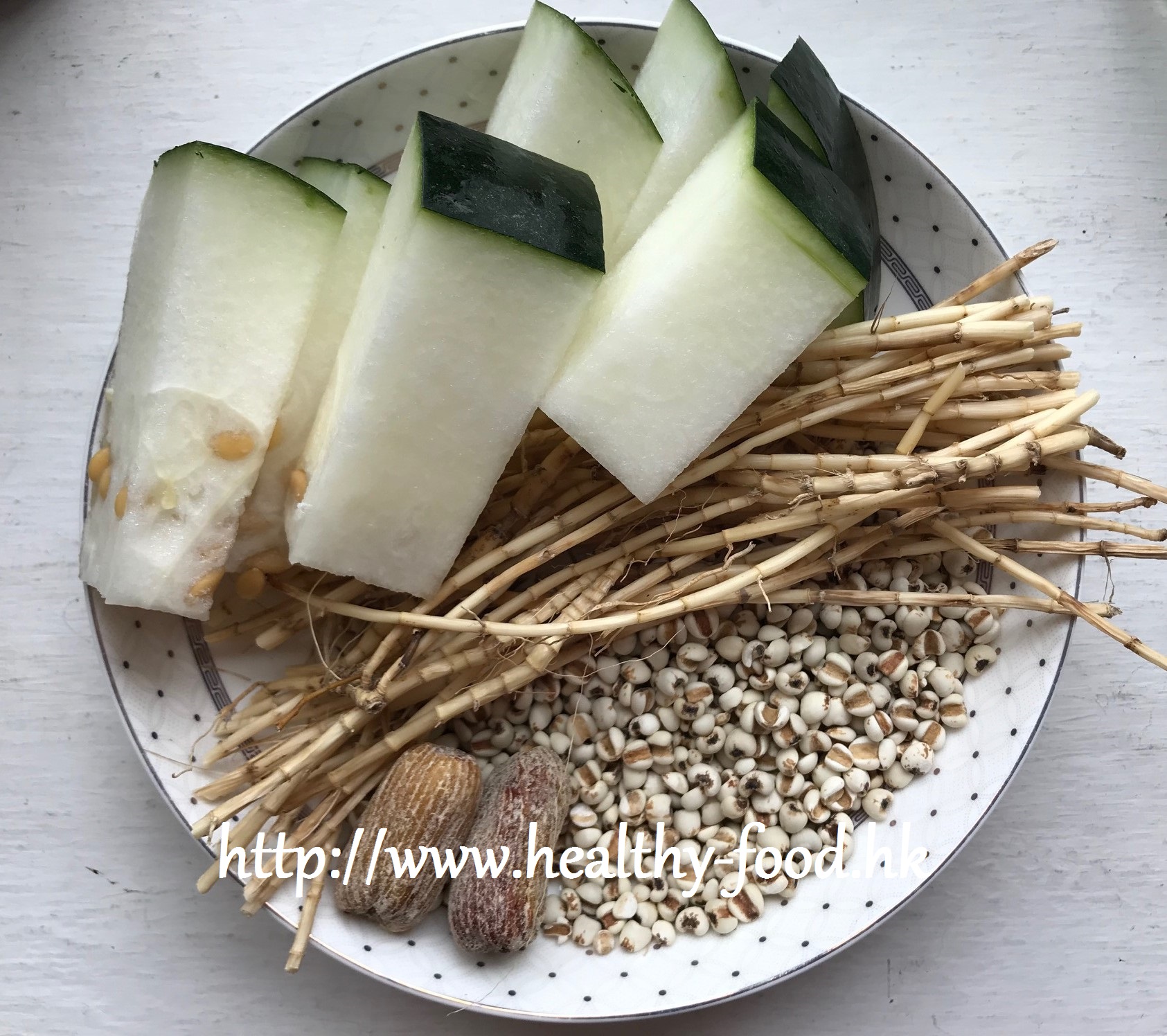
Imperata Root, Pearl Barley and Winter Melon Drink
Best for: Post-feast puffiness and bloating
Winter melon and pearl barley are traditionally used when rich, salty meals leave the body feeling heavy or puffy. The drink is light and naturally sweet, with fresh imperata root adding another traditionally cooling ingredient.
traditionally used to reduce water retention, support healthy blood pressure, and help the body clear accumulated heat
-
 Herbal & Flower Teas
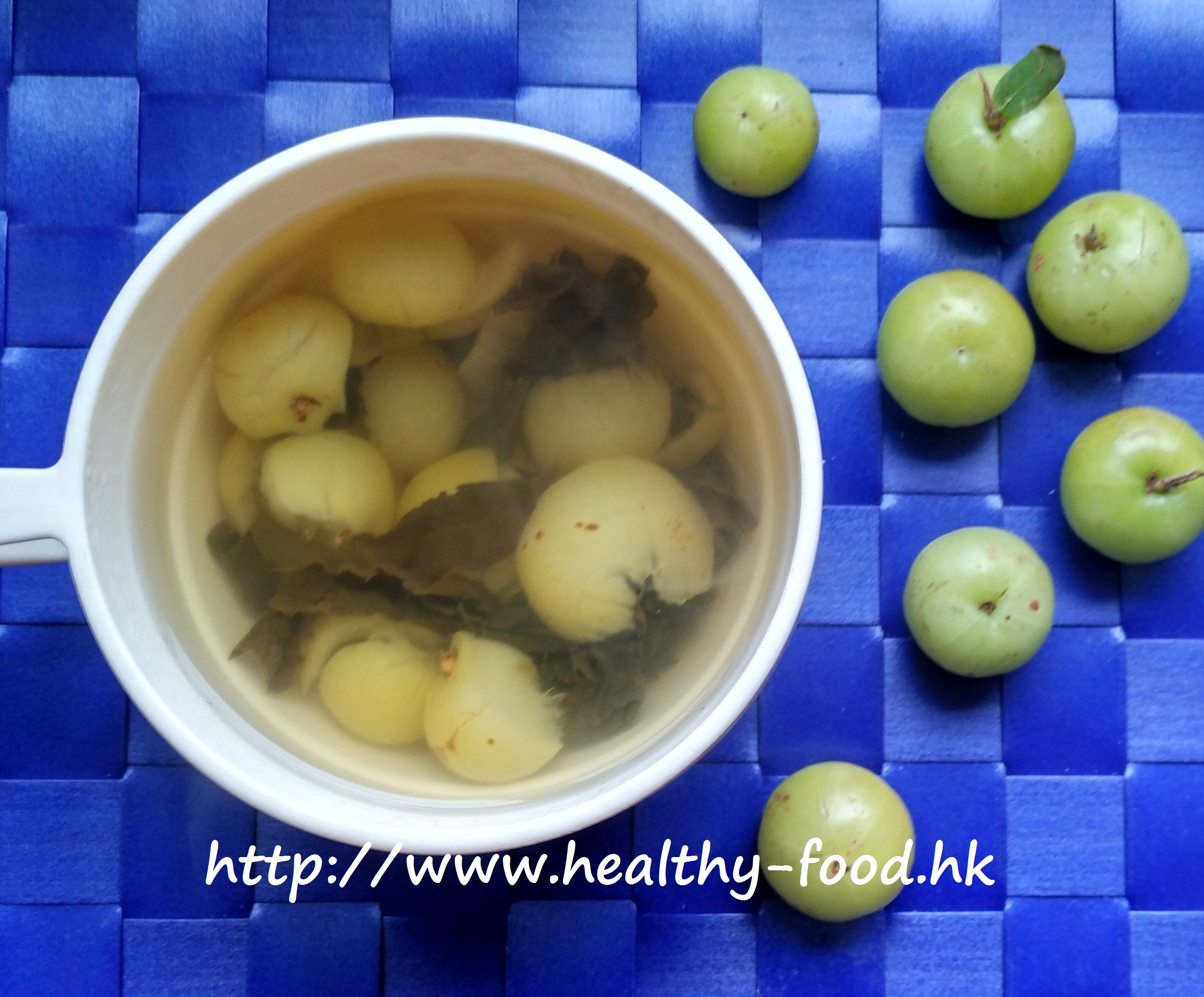
Oil-Gan Zi (Indian Gooseberry) Green Tea
Oil-Gan Zi (Indian Gooseberry) Green Tea
Best for: A refreshing post-meal tea
Indian gooseberry is steeped with green or oolong tea to make a tangy drink traditionally used after rich meals for food stagnation and digestion. It is also traditionally associated with supporting fat metabolism over time.
traditionally used to promote digestion, clear food stagnation, and support fat reduction and weight management
-
 Soups
SoupsBamboo Fungus, Soybean, and Shiitake Soup
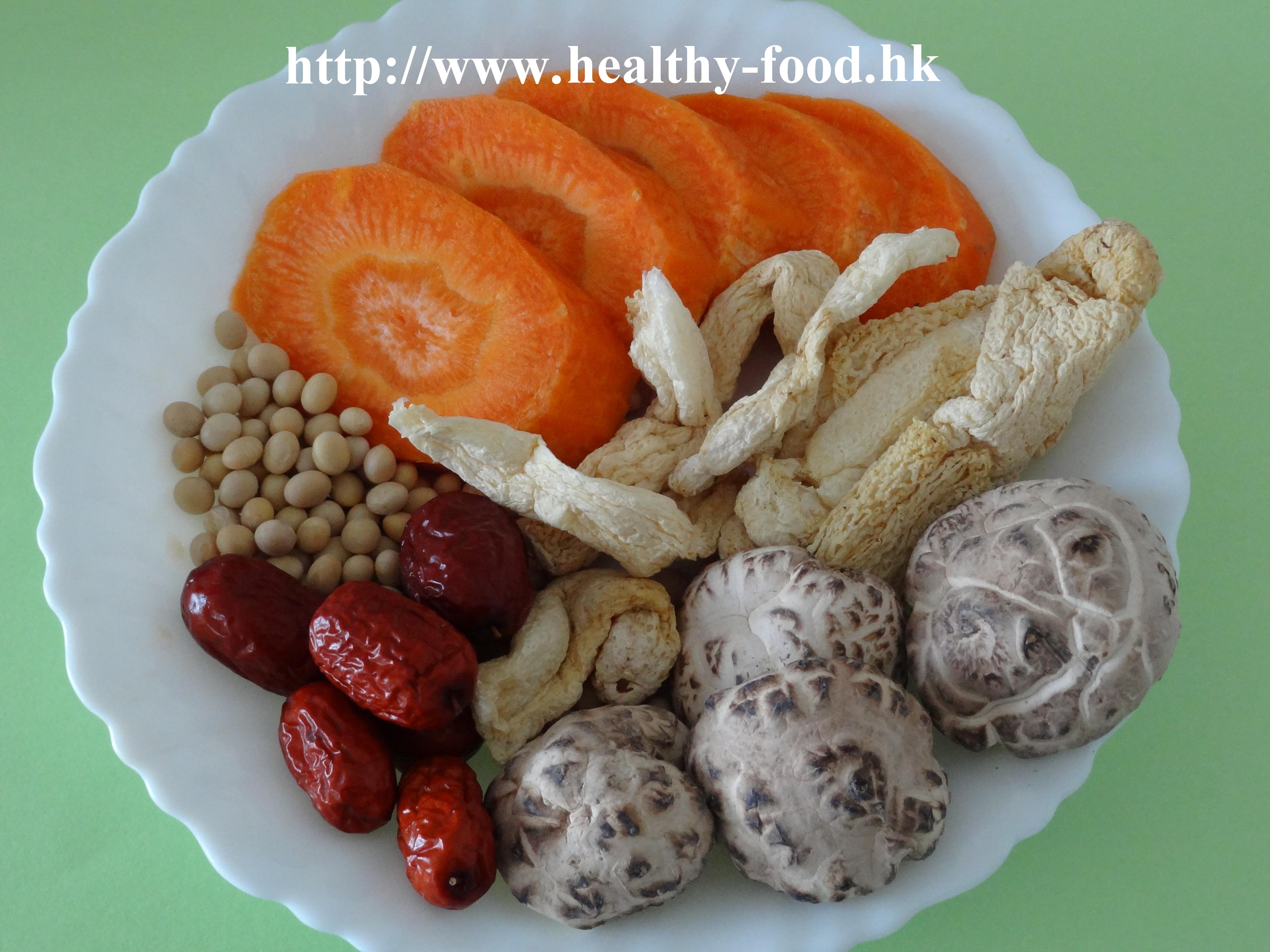
Bamboo Fungus, Soybean, and Shiitake Soup
Best for: Vegetarian weight-conscious meals
Bamboo fungus is traditionally associated with reducing abdominal fat accumulation, while soybeans and shiitake make this a wholesome vegetarian soup. It is intended as a light soup that can be enjoyed regularly as part of balanced eating.
Traditionally associated with reducing abdominal fat accumulation, supporting cardiovascular health, and regulating the digestive system
-
 Soups
SoupsSpiral Seaweed and Tomato Soup
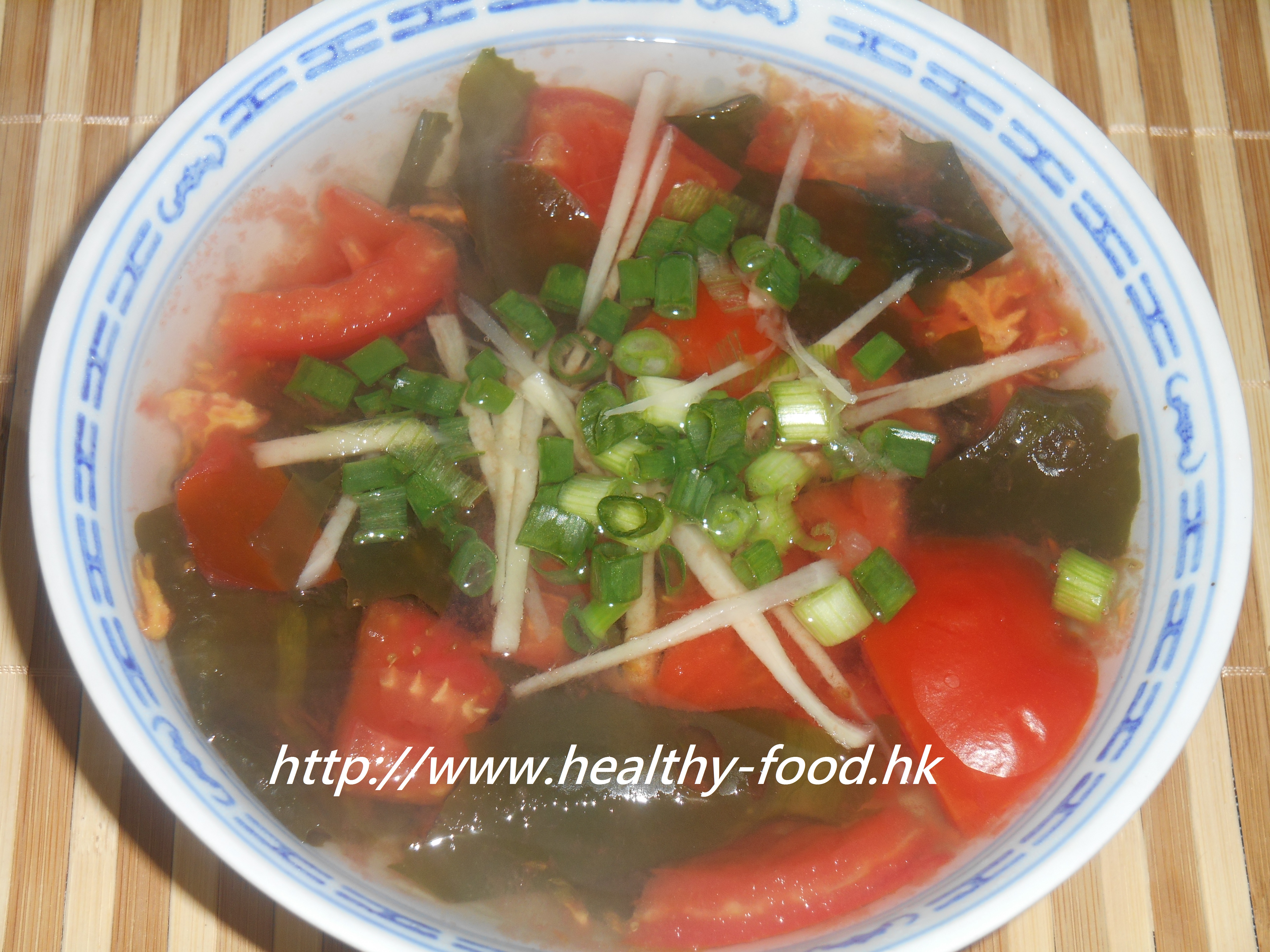
Spiral Seaweed and Tomato Soup
Best for: A quick, light meal
Spiral seaweed and tomato make a light broth traditionally associated with supporting healthy weight and lipid metabolism. At about 15 minutes, it is the quickest soup among these picks and can also serve as a broth for noodles or rice vermicelli.
traditionally associated with supporting healthy weight, calming inflammation, and nourishing the blood
How to choose
- After a particularly rich or fatty meal, choose Hawthorn Berry & Lotus Leaf Tea or Oil-Gan Zi Green Tea; both are traditionally used for food stagnation and digestion after heavier eating.
- If heaviness comes with puffiness or water retention, Imperata Root, Pearl Barley and Winter Melon Drink is the more targeted traditional choice.
- For an actual meal rather than a drink, choose Bitter Melon, Adzuki Bean and White Kidney Bean Pork Soup or the vegetarian Bamboo Fungus, Soybean, and Shiitake Soup.
- If you tend towards cold or weak digestion, be cautious with cooling recipes; the Mung Bean & Seaweed Soup was not prioritised here because its own guidance specifically recommends modest portions for this pattern.
- When time is limited, Spiral Seaweed and Tomato Soup takes about 15 minutes; the bean and bamboo fungus soups require considerably longer cooking.
When to be cautious
- Skip the Imperata Root, Pearl Barley and Winter Melon Drink during pregnancy or menstruation, and if you are prone to frequent or night-time urination.
- Hawthorn Berry & Lotus Leaf Tea is best taken after food and should be avoided or used only in small amounts if you have excess stomach acid. Hawthorn Cassia Lotus Leaf Tea is not recommended during pregnancy.
- If soybeans cause flatulence in the Bamboo Fungus, Soybean, and Shiitake Soup, its recipe suggests adding dried citrus peel or replacing the soybeans with chestnuts.
- These recipes are traditional food-therapy choices rather than treatments for excess weight or other medical conditions. See a doctor if symptoms such as persistent bloating, swelling or digestive problems continue.
Common questions
Can these soups and teas make me lose weight?
They should not be treated as weight-loss remedies. In Cantonese food therapy, ingredients such as hawthorn, lotus leaf, bitter melon, winter melon and bamboo fungus are traditionally associated with digestion, fluid balance or weight management. Nourilo's approach is to use them alongside smaller portions, lighter eating and regular movement rather than expecting a tea or soup to produce weight loss by itself.
Which tea is best after a heavy meal?
Hawthorn Berry & Lotus Leaf Tea is the simplest choice specifically intended for after rich meals. Hawthorn is traditionally used for food stagnation and the digestion of fatty foods, while lotus leaf is associated with fluid balance and fat metabolism. Oil-Gan Zi Green Tea is another refreshing option after heavy eating. Take the hawthorn and lotus leaf tea after food rather than on an empty stomach.
Which recipe is better if I feel bloated and puffy?
Imperata Root, Pearl Barley and Winter Melon Drink is the most directly suited to that pattern. Pearl barley and winter melon are traditionally used to drain dampness and support fluid balance, particularly after salty or rich meals. However, skip it during pregnancy or menstruation and if you already experience frequent or night-time urination.
What is a good weight-management soup for vegetarians?
Bamboo Fungus, Soybean, and Shiitake Soup is the strongest vegetarian fit among these recipes. Bamboo fungus is traditionally associated with reducing abdominal fat accumulation, while soybeans and shiitake make the soup more substantial. If soybeans make you flatulent, the recipe suggests adding dried citrus peel while cooking or replacing the soybeans with chestnuts.
Guides are compiled from Nourilo's recipe library and describe traditional use. Read how we write and check our content and who is behind Nourilo.