Home-Style Dishes
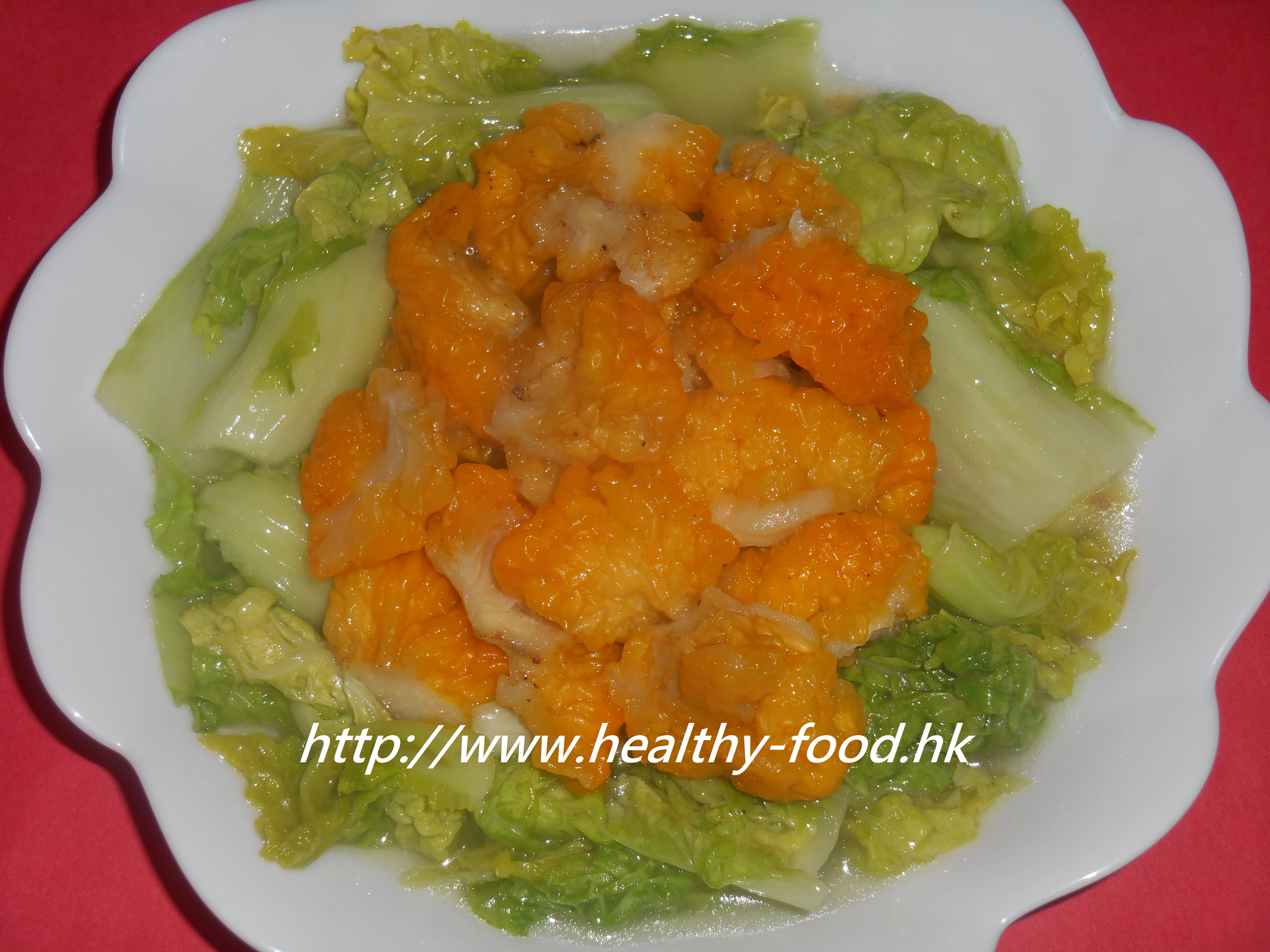
Braised Napa Cabbage with Yellow Fungus (Shao Cai Men Huang Er)
A fibre-rich everyday dish traditionally associated with supporting digestion and reducing fat absorption
In short: Braised Napa Cabbage with Yellow Fungus (Shao Cai Men Huang Er) is a home-style dishe that A fibre-rich everyday dish traditionally associated with supporting digestion and reducing fat absorption. It is most often made for digestive wellness, everyday balance. Total time about 35 min. Key ingredients: stock.
Why people make this dish
Yellow fungus — sometimes called golden wood ear — is a close relative of the more familiar snow fungus (white tremella), but with a slightly firmer, more satisfying bite. Dried yellow fungus takes at least four hours to rehydrate fully (or overnight if you prefer), which is a longer wait than most mushrooms, but the result is well worth it. The fungus swells dramatically and becomes glossy and tender when braised. Combined with napa cabbage — one of the most digestive-friendly vegetables in everyday Cantonese cooking — this simple dish is a quiet powerhouse of soluble and insoluble fibre. Nourilo particularly recommends it for anyone trying to manage their weight or improve gut regularity without relying on supplements.
Safety first — read before you cook
This is a traditional food, not a treatment. Please check with your doctor or pharmacist before making it a regular part of your diet if you:
- are pregnant or breastfeeding, or are cooking for a young child;
- take regular medicines — especially blood thinners, blood-pressure, diabetes or immune-suppressing drugs;
- have a kidney, liver or heart condition, or a known food allergy.
Stop eating it and seek advice if you notice an allergic reaction or feel unwell. Safety notes reviewed 8 October 2026 · How we write safety notes
Members only
Unlock the full method & Nourilo's tips
One payment, lifetime access to every one of our 2,344 recipes — step-by-step methods, preparation tips and serving notes.
- Full step-by-step method for this and all 2,344 recipes
- Nourilo's Tips — sourcing, substitutions and serving notes
- One-time payment · card, Apple Pay or Google Pay · no subscription, no renewals
Checking your access…
$59.99 one-time · all recipes
Sign in or create a free account, then pay once by card, Apple Pay or Google Pay.
Continue with GoogleBy continuing with Google or email you confirm you are 16 or older and agree to our Terms of Use and Privacy Policy.
$59.99 one-time · all recipes
Signed in as ·
Secure checkout by Stripe. One-time payment, no renewals. Access is linked to your Nourilo account and never expires. By paying you agree to our Terms of Use; you can get a full refund within 14 days (refund policy).



Comments
Join the conversation — sign in or create a free account to comment.
Continue with GoogleBy continuing with Google or email you confirm you are 16 or older and agree to our Terms of Use and Privacy Policy.
Loading comments…